Your itinerary

Day 1
Adventure starts in Osaka
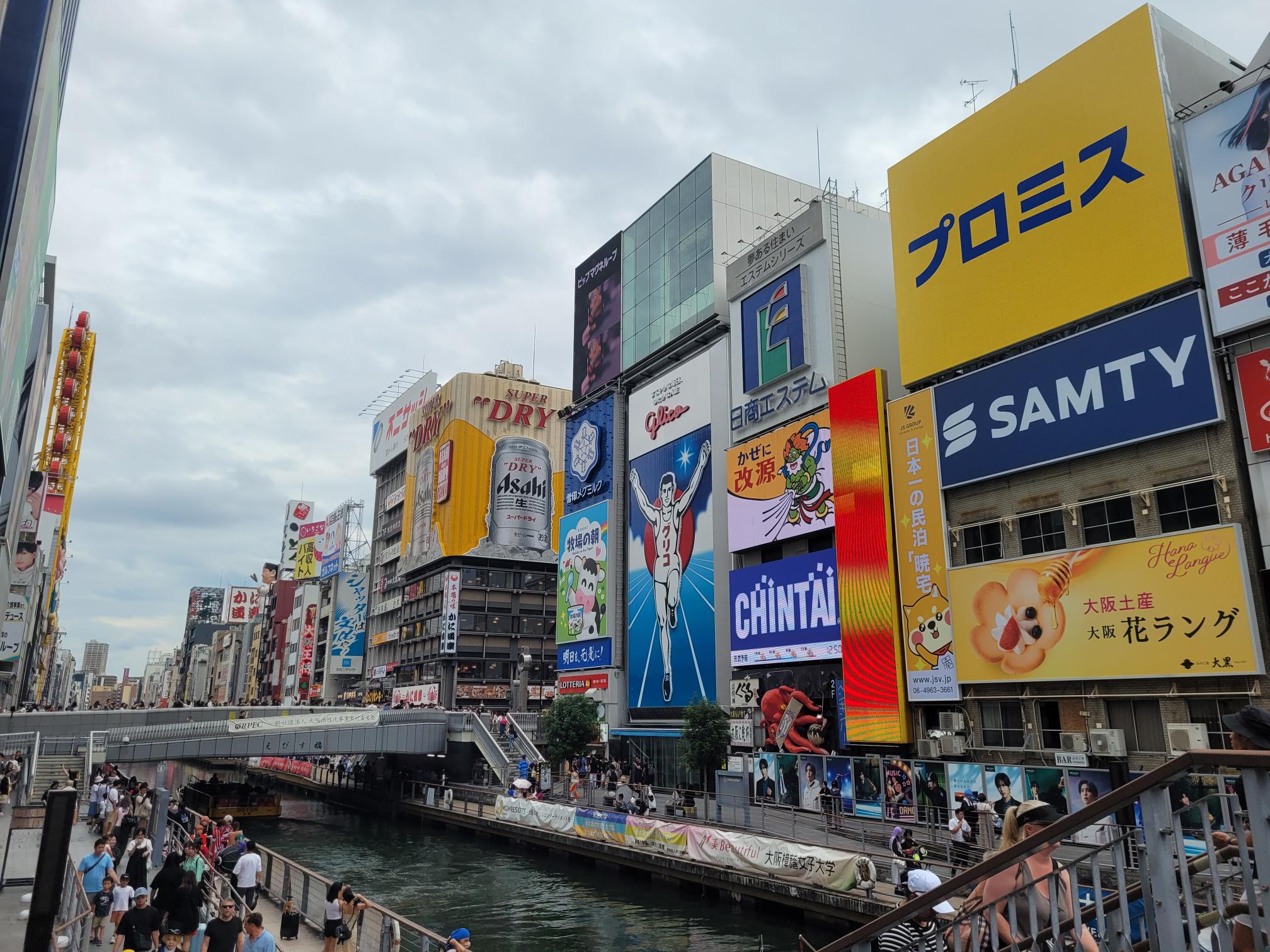
Begin in Osaka. Around 18:00, meet your tour leader and fellow travellers for a welcome meeting, then join an arranged welcome dinner.
Meals: Dinner
Day 2
Bullet train to Onomichi via the centuries-old Himeji Castle
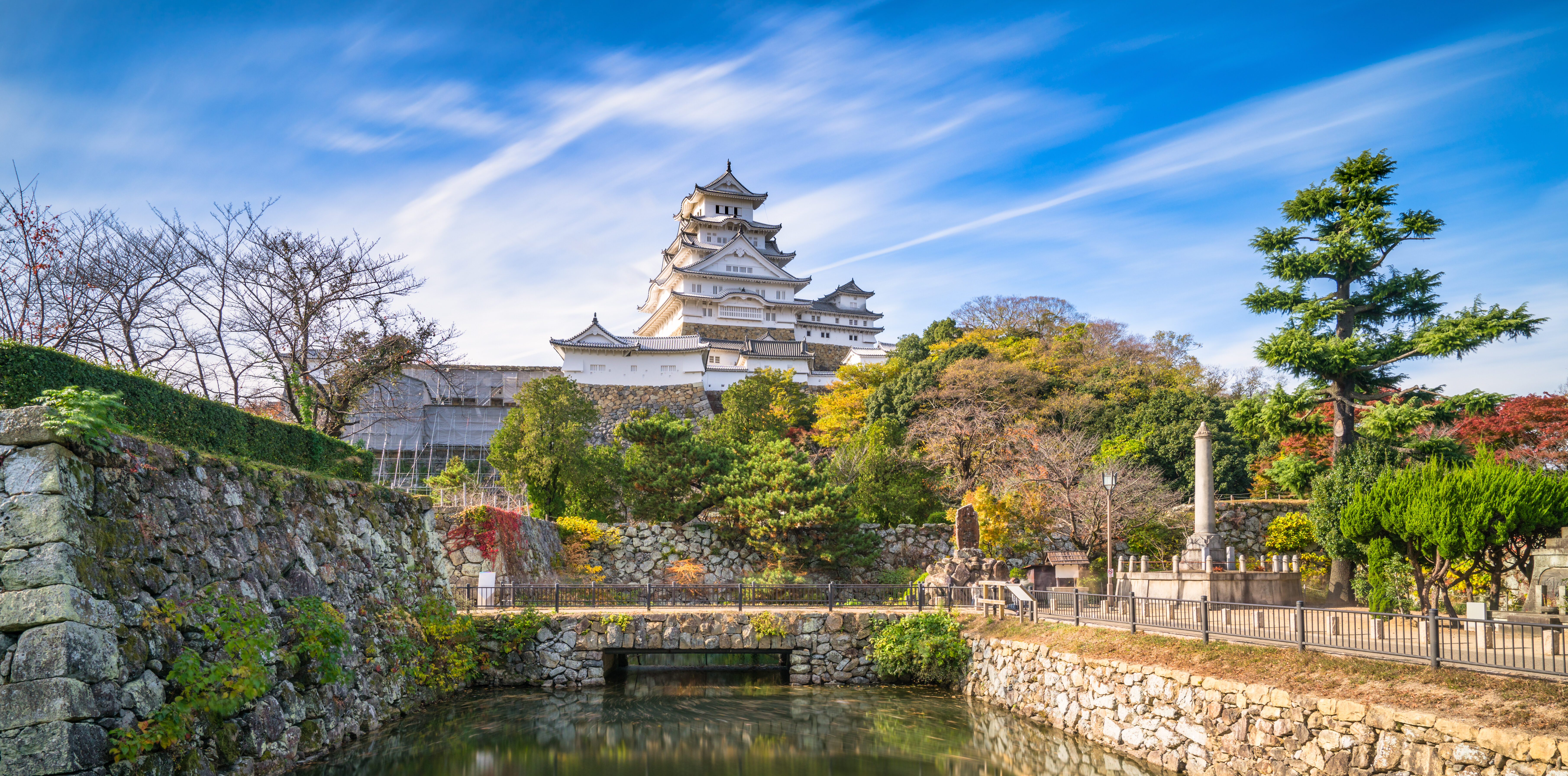
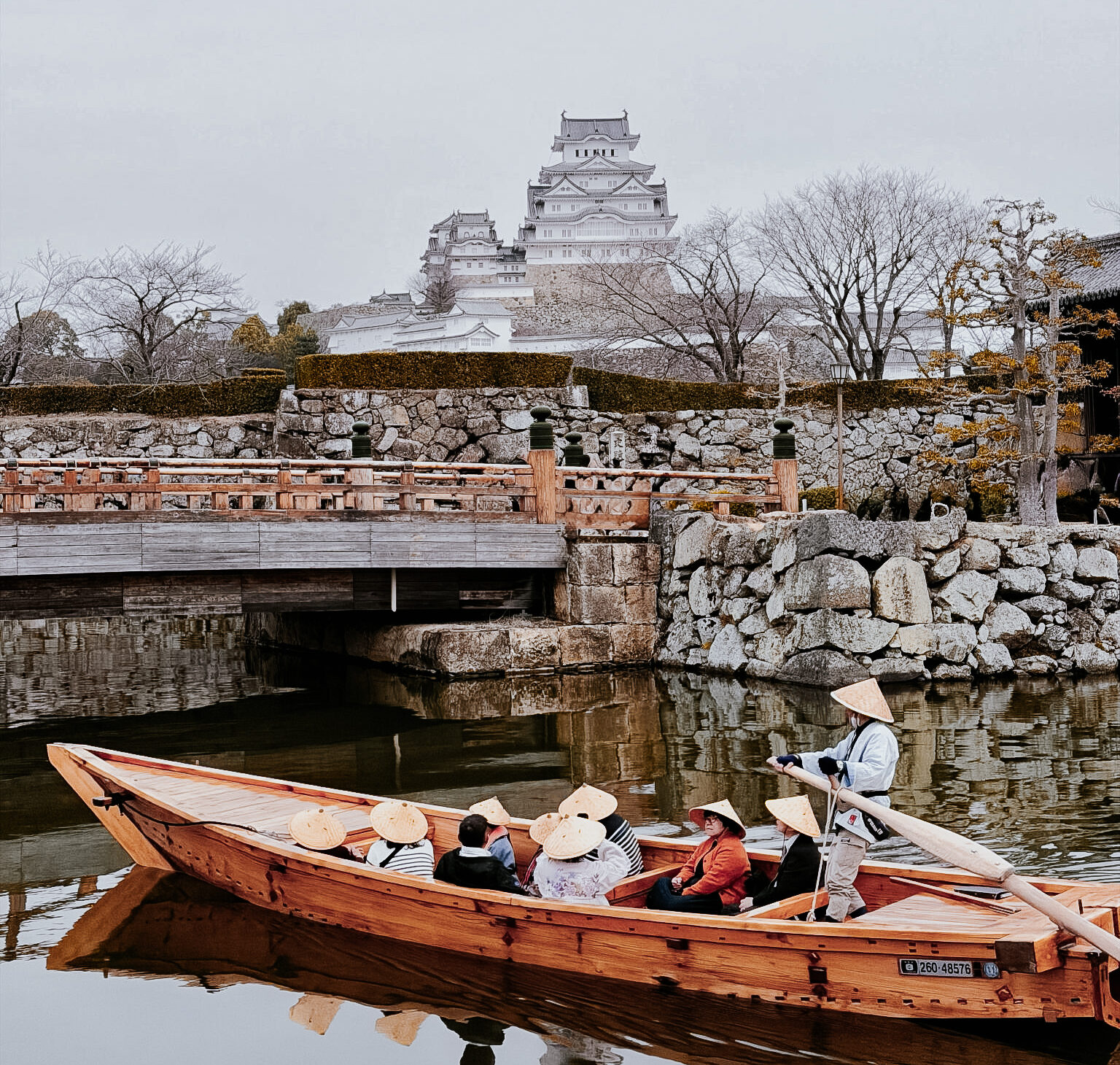
Take the bullet train toward Onomichi, leaving main luggage at reception to be reunited with it in Matsuyama on Day 4. After 30–45 minutes, stop in Himeji to visit Himeji Castle. Continue by bullet train for 2 hours 10 minutes to Onomichi and check in. Pack a small overnight bag for the next two nights; there is no storage for large suitcases on the train.
Meals: Breakfast
Day 3
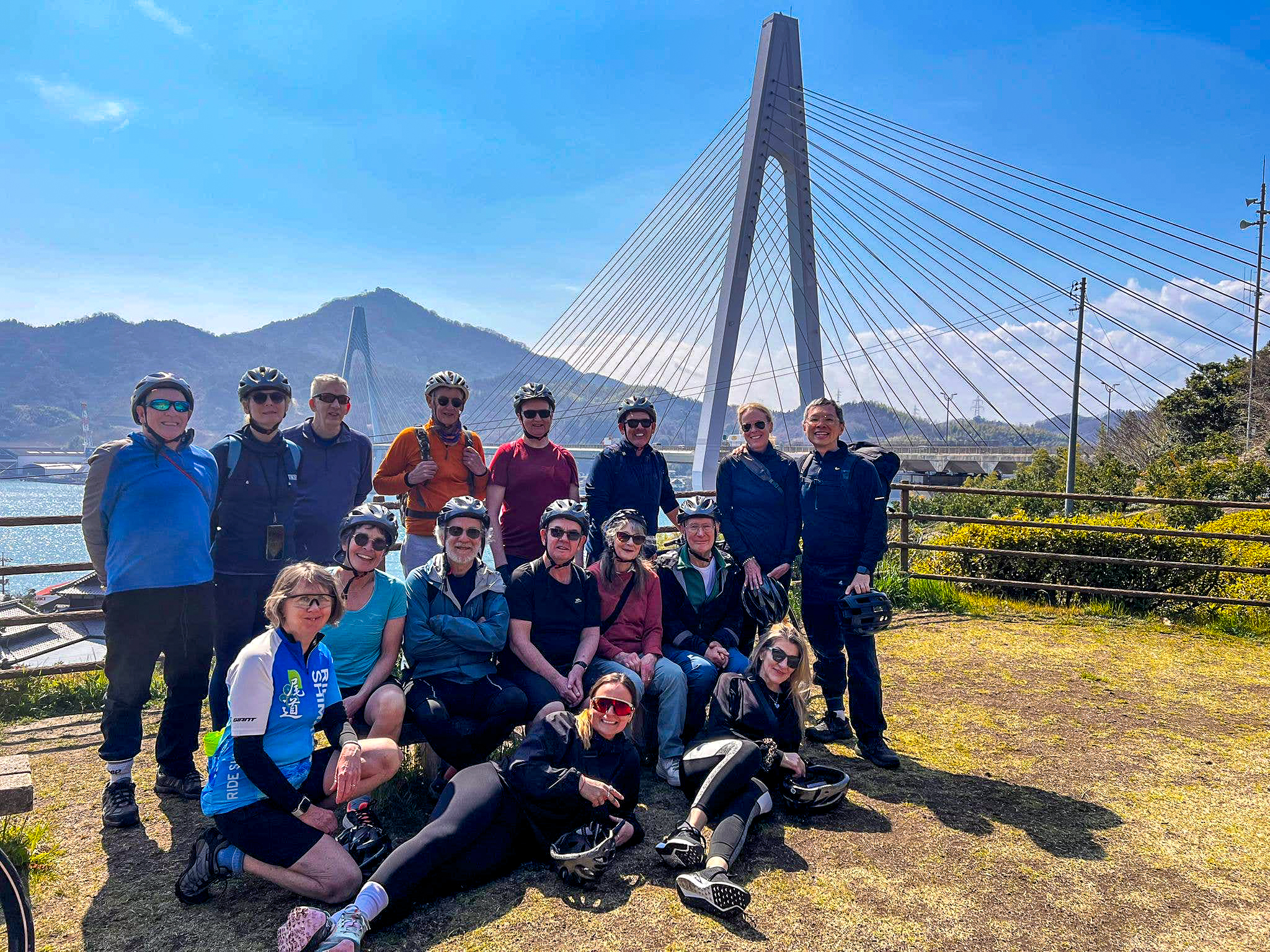
Cycle the Shimanami Kaido to Ikuchi Island
Cycle 35 km along the Shimanami Kaido to Ikuchi Island, with bikes, helmets, a tour leader and an expert local cycling guide provided. Travellers who do not wish to cycle can take the ferry, which must be booked at least one month before departure. On Ikuchi Island, known for its lemon groves and coastal views, visit the Kosanji Temple complex.
Meals: Breakfast
Day 4
To Matsuyama • Visit Matsuyama Castle
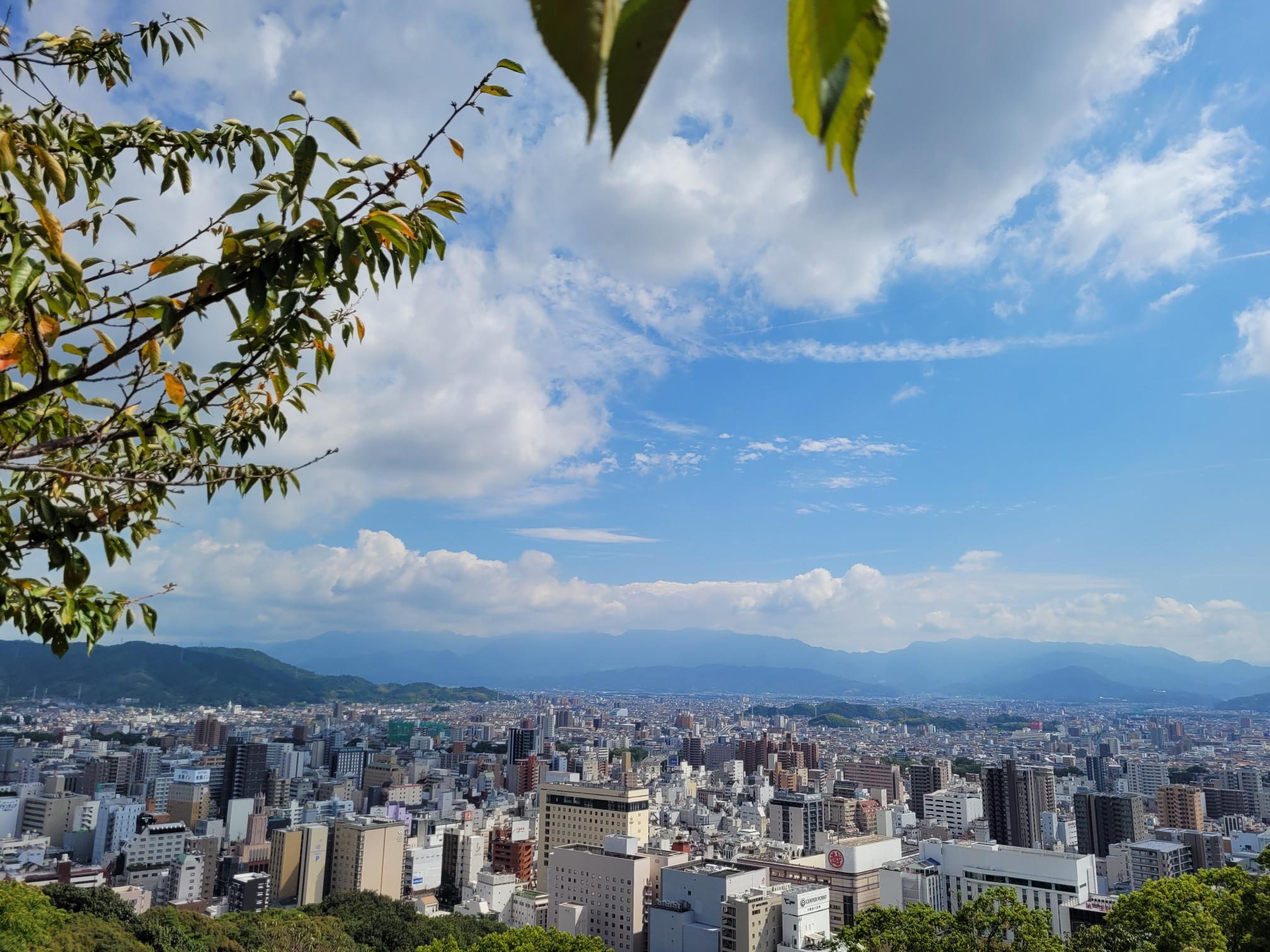
Take an early bus to Imabari Station, then a train to Matsuyama, a journey of around two hours in total. After lunch and a walk around the historic district, visit Matsuyama Castle on Mount Katsuyama for views over the city and Seto Inland Sea. Visit Ishiteji Temple and view Dogo Onsen; entry to the onsen is not included, but the tour leader can advise on visiting during free time.
Meals: Breakfast
Day 5
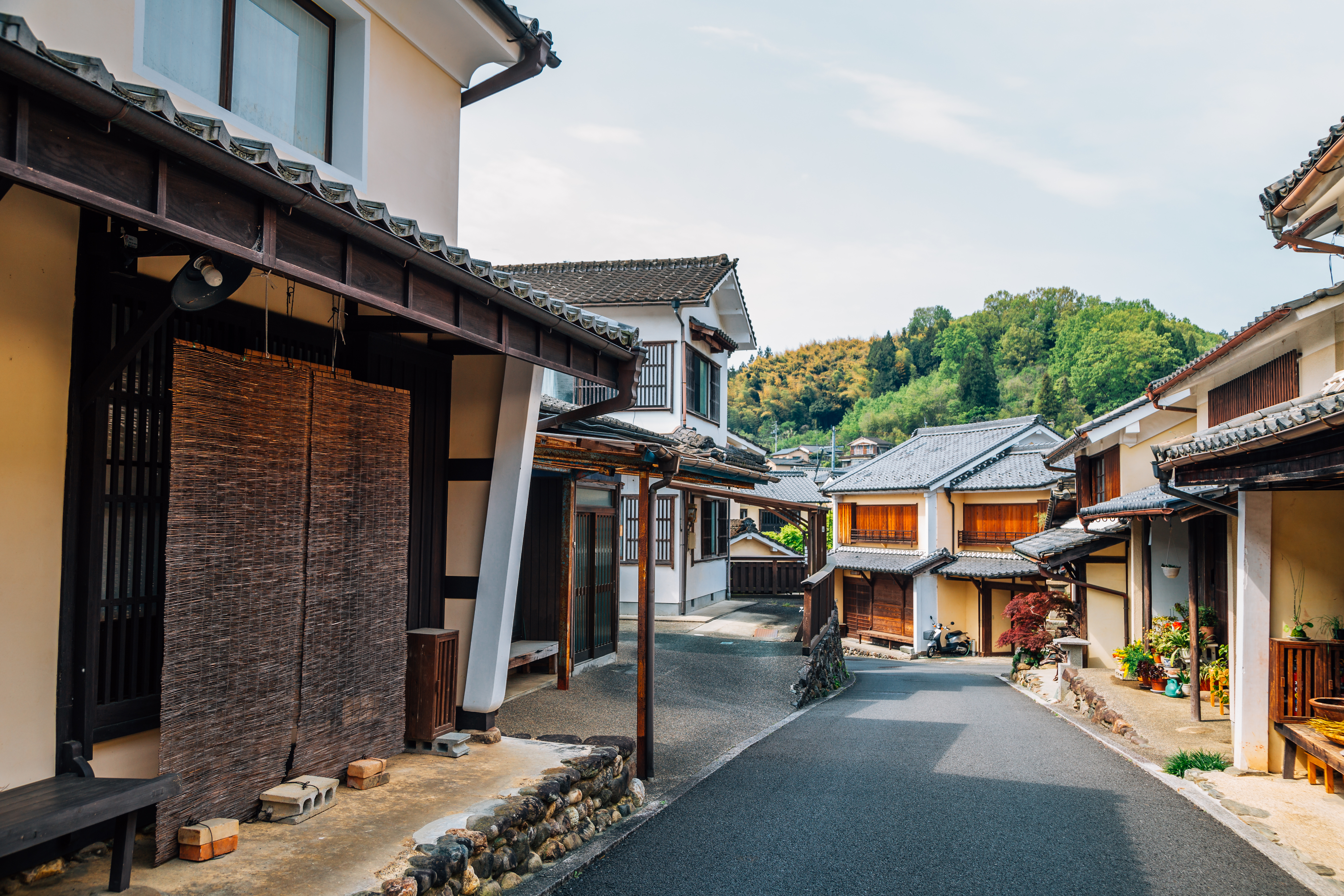
Experience the Edo-era town of Uchiko
Leave main luggage at reception to be reunited with it in Beppu tomorrow. Take a one-hour train to Uchiko and walk around the Old Town, visiting the Kamihaga Residence and a seventh-generation family candle shop. After free time for lunch, visit a washi paper factory and take part in a Japanese gilding class (haku-oshi), making a postcard from washi. Return to Matsuyama by train in the afternoon and enjoy free time. Pack a small overnight bag for tonight; large suitcases cannot be stored on the train.
Meals: Breakfast
Day 6
To the lesser-visited Kyushu island
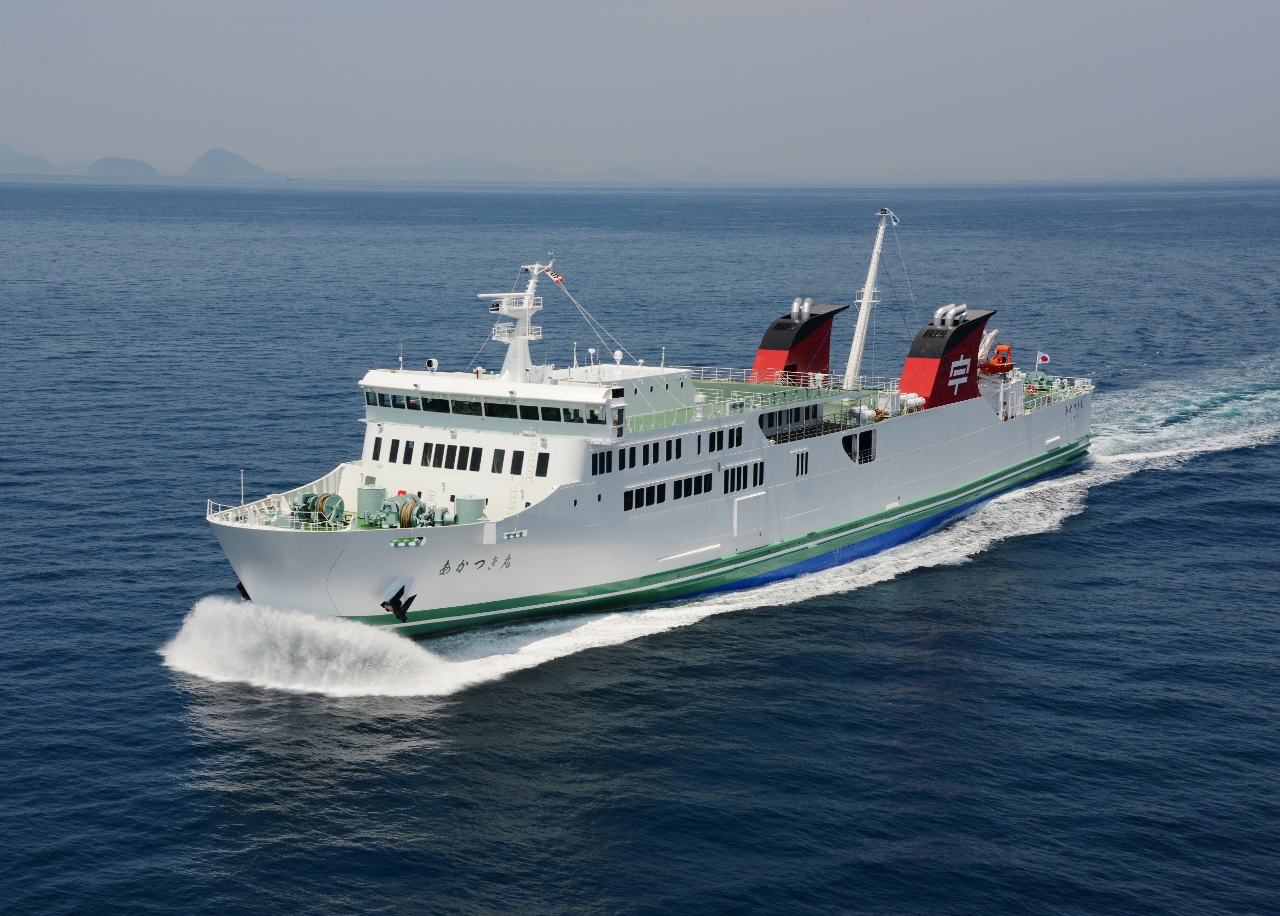
Depart before 08:00 and travel by train for around 45 minutes, then by bus for 10 minutes, to Yawatahama Port. Take a ferry for around three hours to Kyushu and continue to Beppu. On arrival, head to Beppu’s old town; time permitting, explore the area or relax in a local onsen.
Meals: Breakfast
Day 7
Hike up Mount Yufu
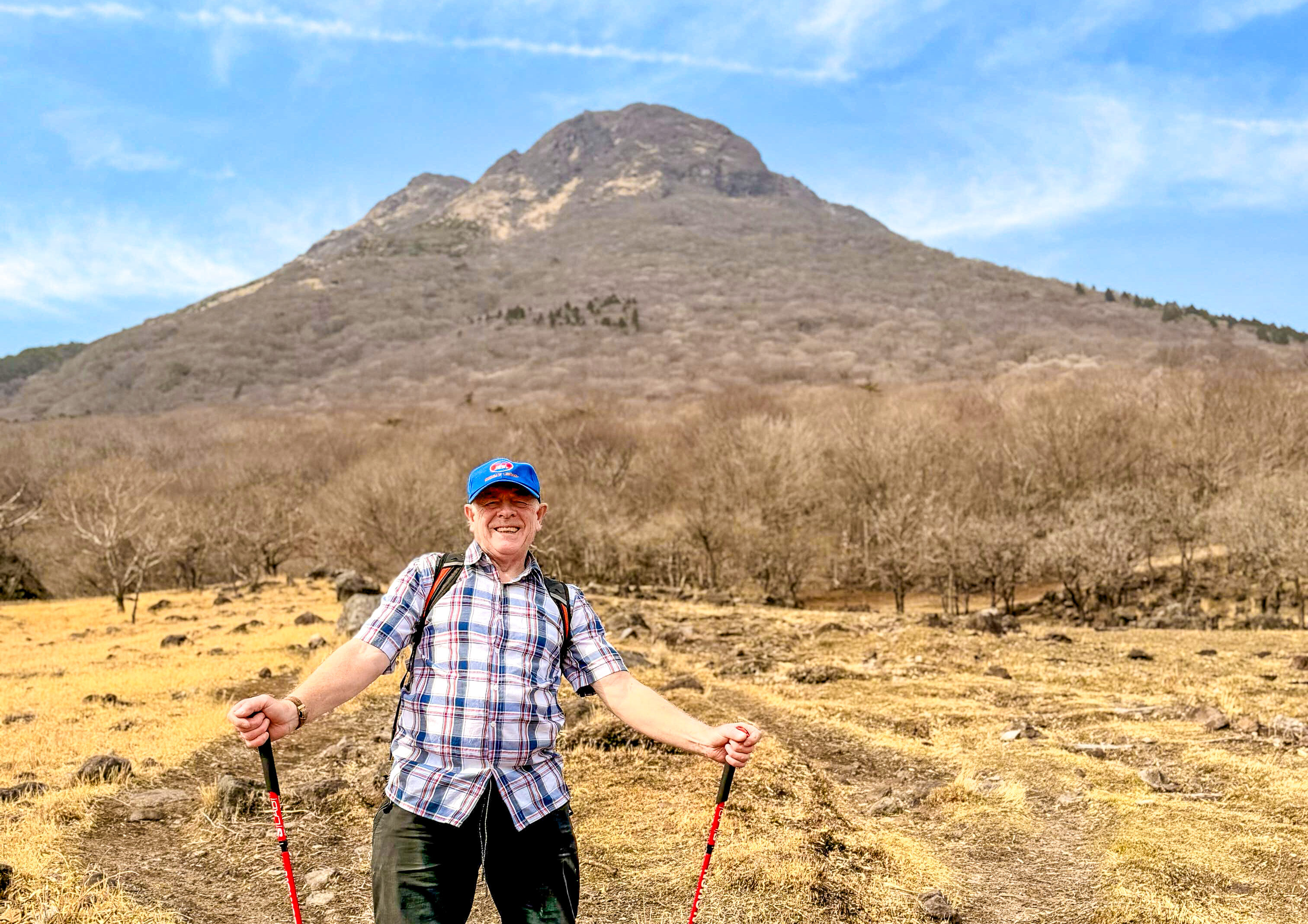
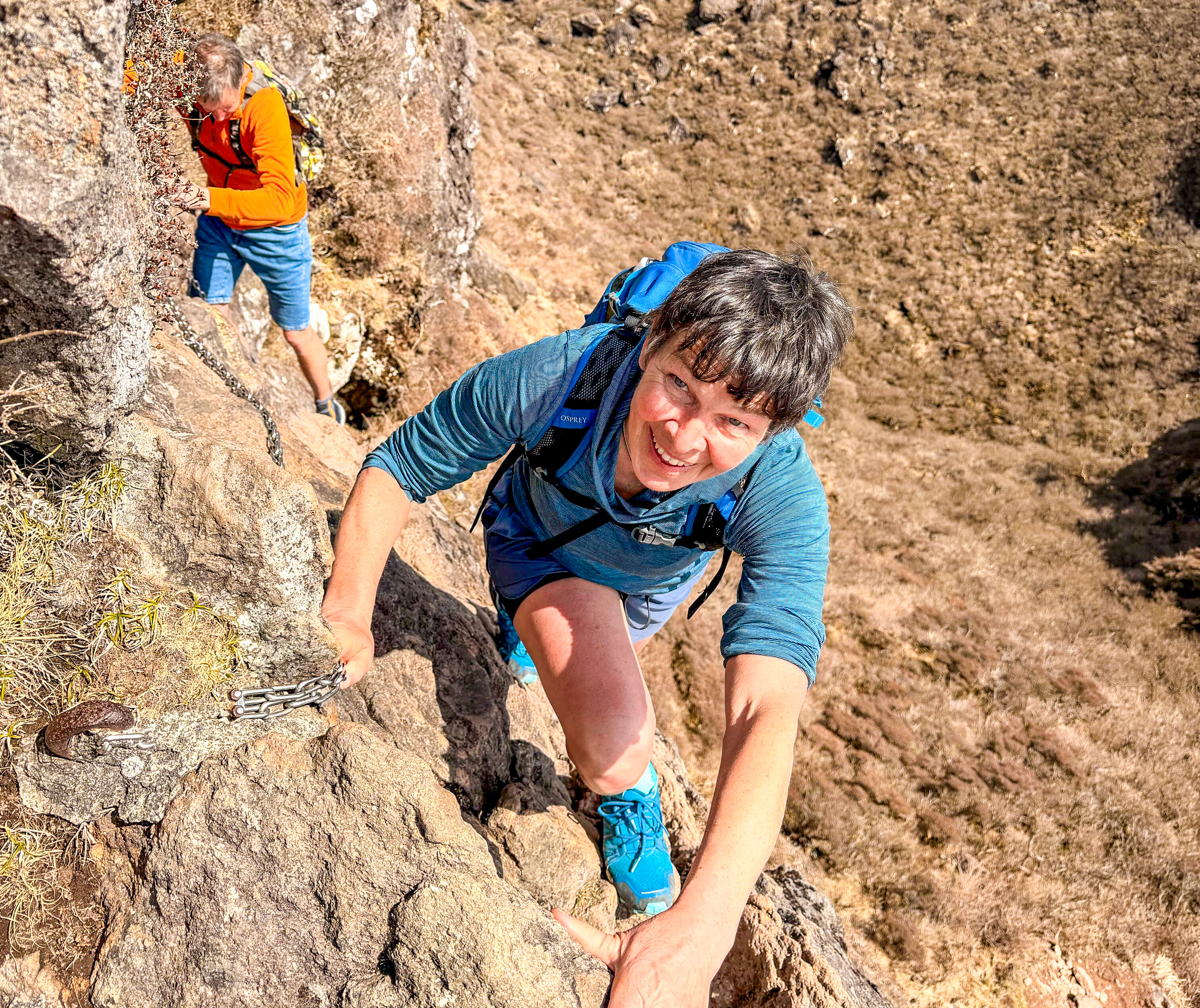
Have a Japanese breakfast featuring Beppu’s traditional onsen steam cooking. Pick up a bento or easy lunch, then take a local bus for 60 minutes to the mountains outside Beppu. Hike Mount Yufu on a route chosen by the tour leader, generally a loop starting and ending at Yufu tozanguchi. The hike is described as 9.5 km and around 4 hours 30 minutes, with a 500 m ascent. Return to Beppu by bus; an onsen visit is optional.
Meals: Breakfast
Day 8
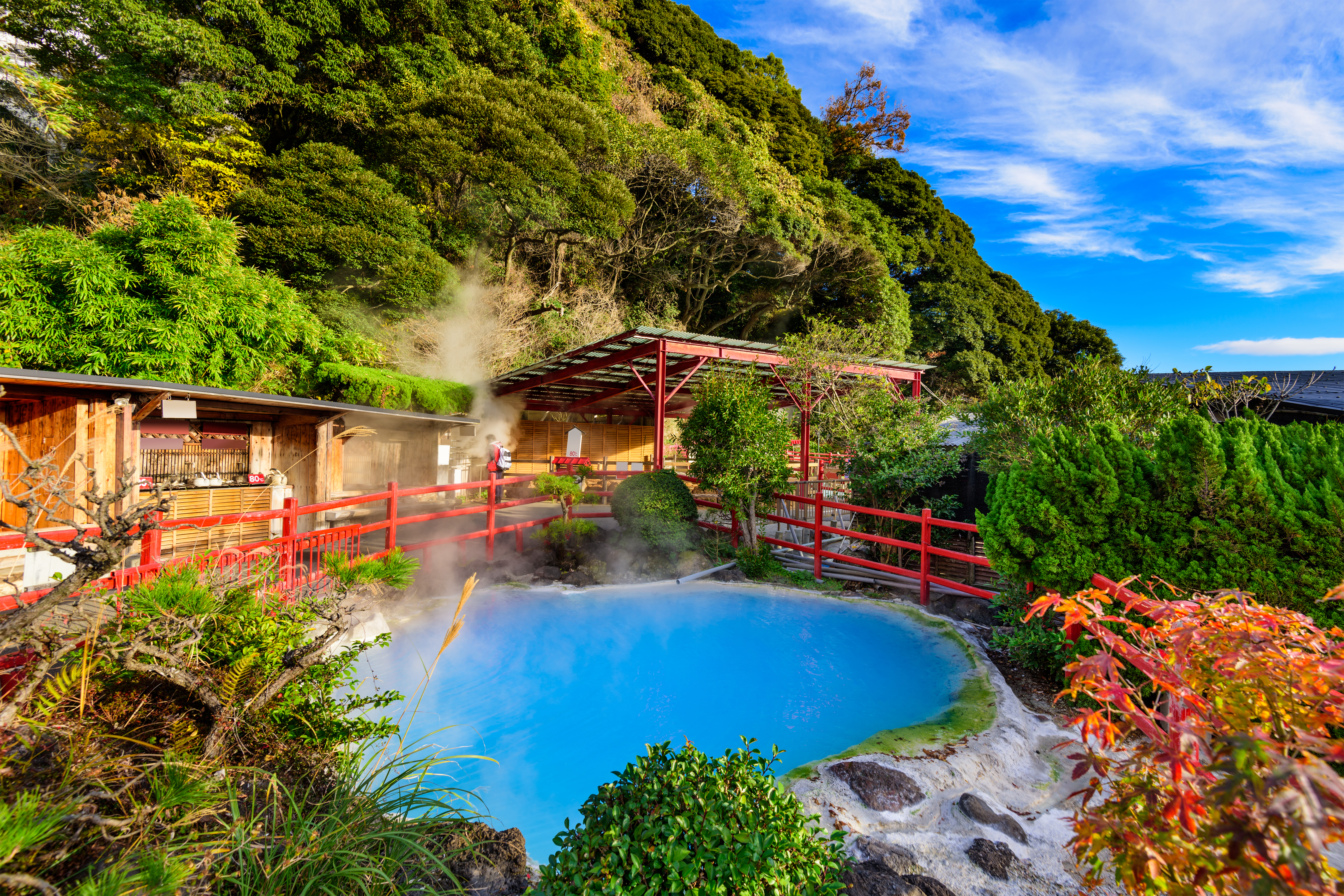
Free morning in Beppu • To the active volcano, Mount Aso
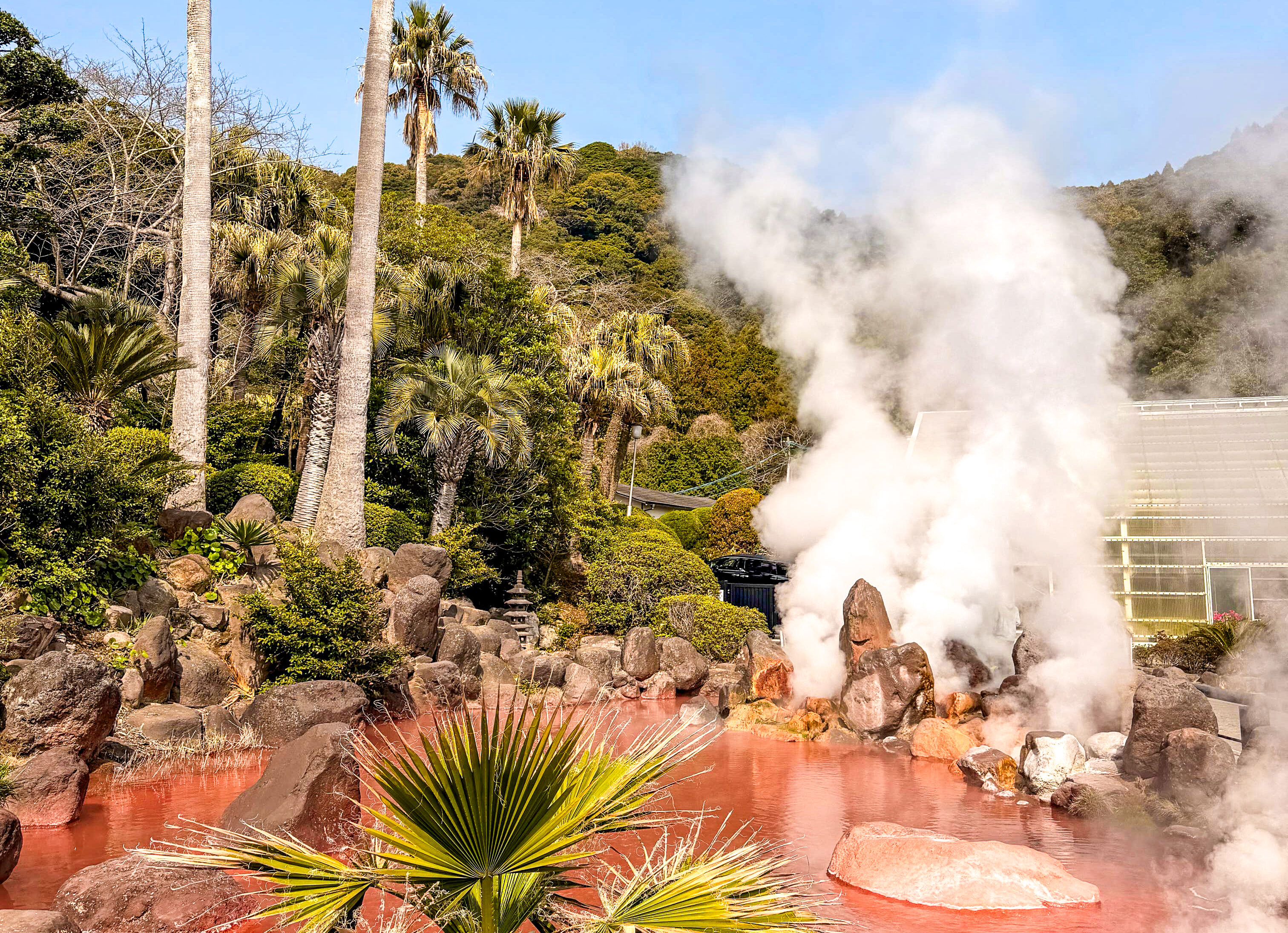
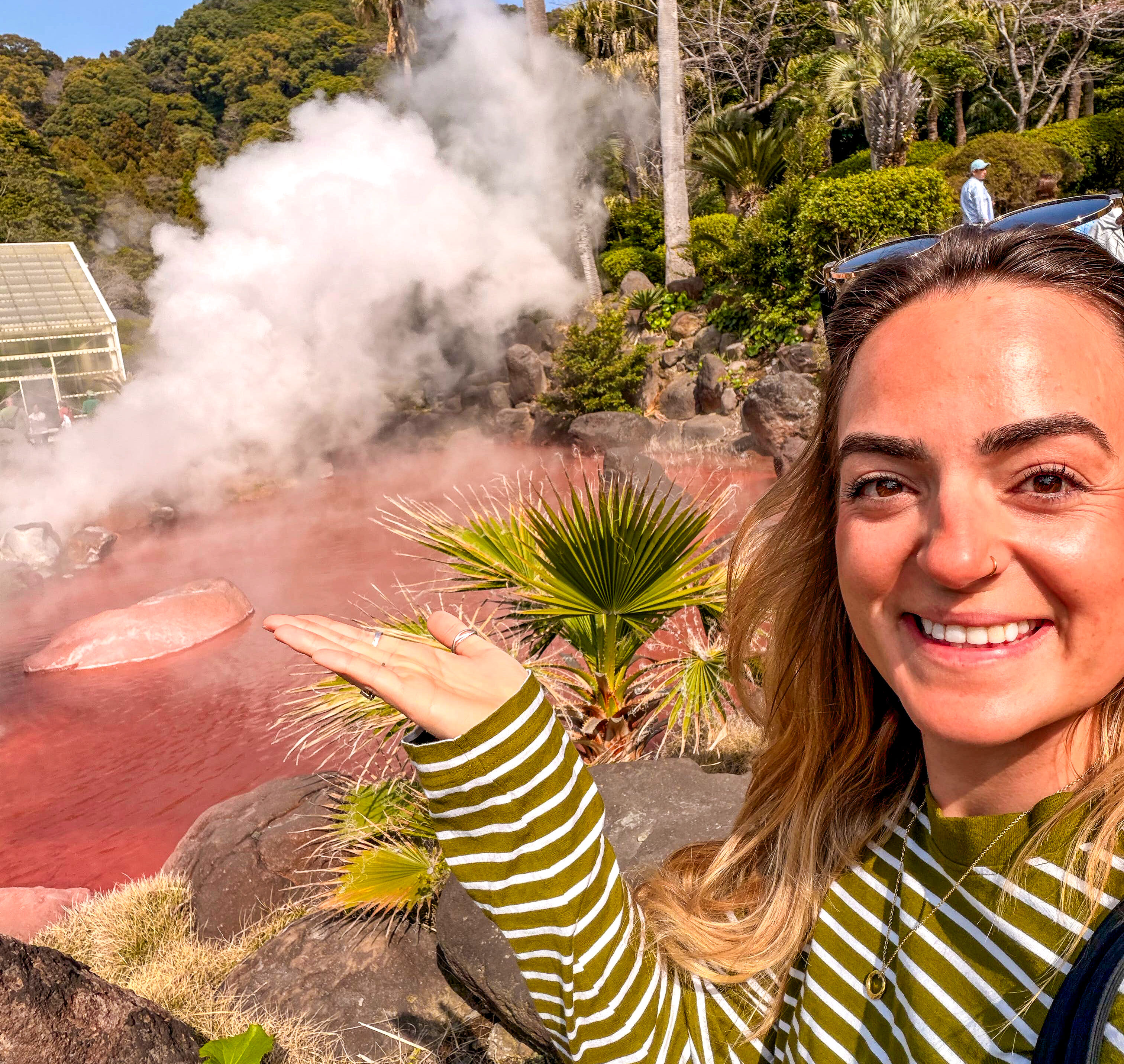
Enjoy breakfast featuring Beppu’s onsen steam cooking, then spend the morning at leisure. Optional ideas include the Seven Hells of Beppu, a sand bath or herbal onsen. In the afternoon, take a train to Mount Aso, around 3 hours 10 minutes away. Pack a small overnight bag for the next two nights; large suitcases cannot be stored on the train.
Meals: Breakfast,Dinner
Day 9
Hike Aso-Kuju National Park
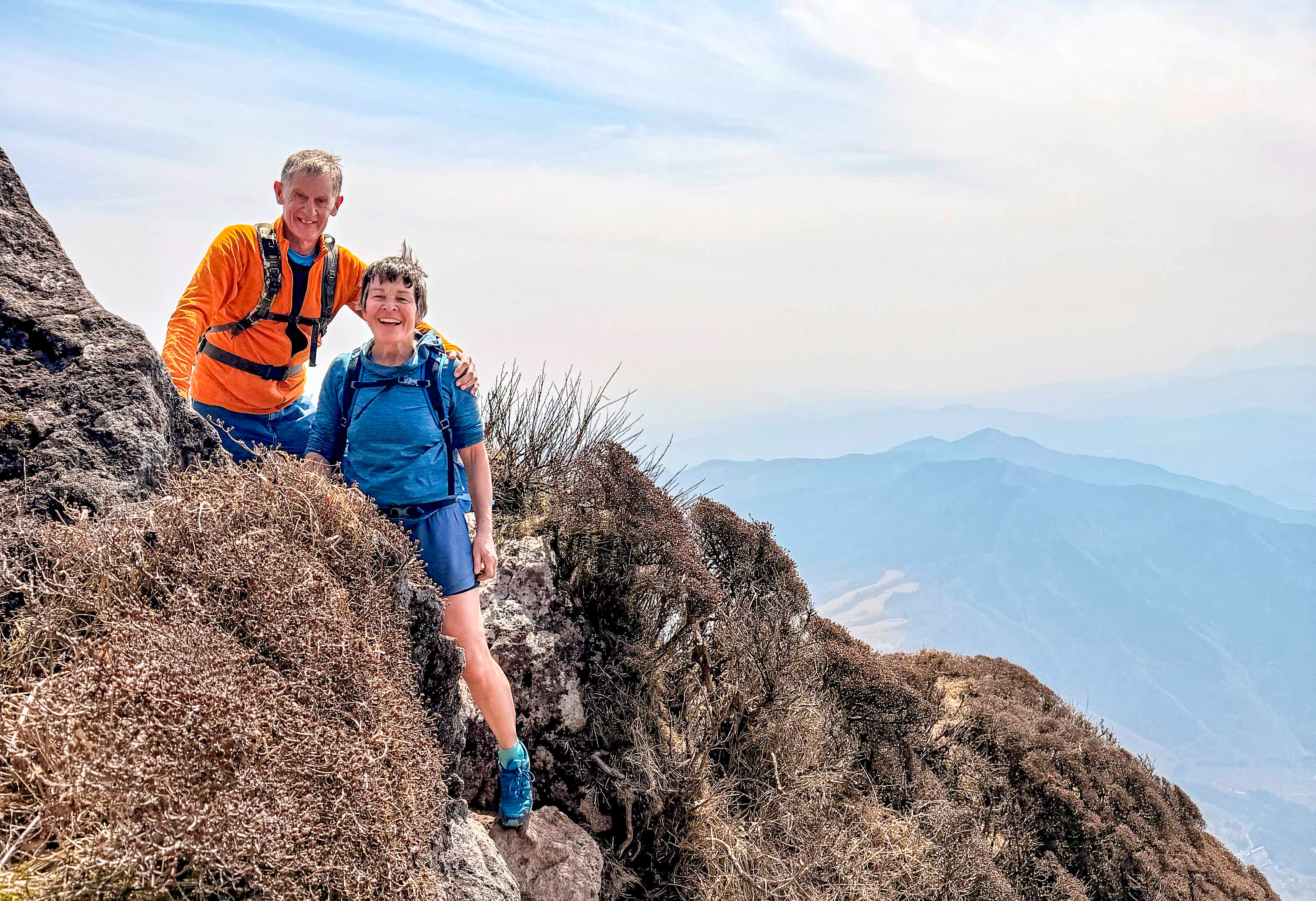
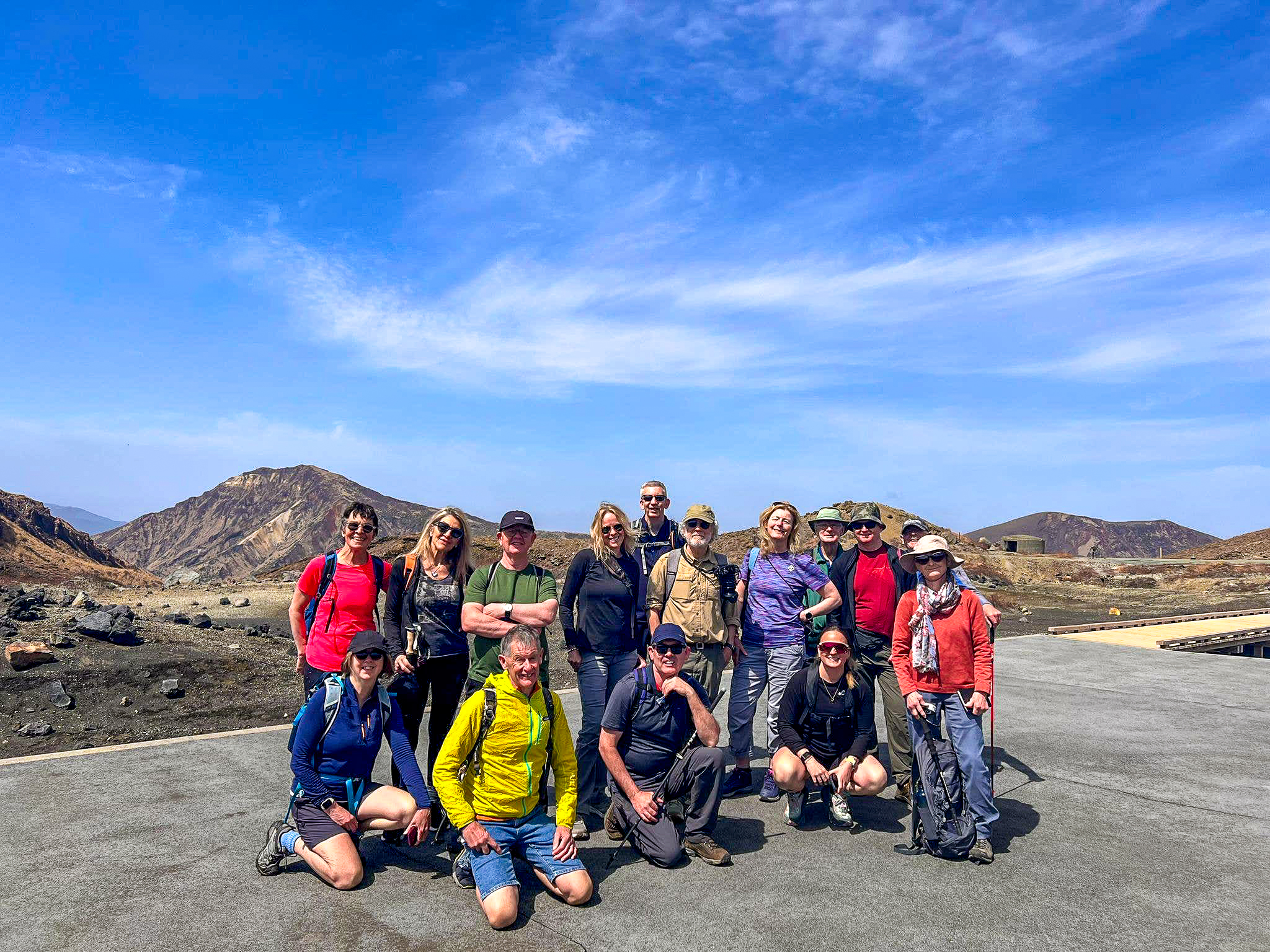
Hike in Aso-Kuju National Park, usually combining trails on Mt. Kishima dake (3 km round-trip, around 1–1.5 hours) and Mt. Eboshi dake (4 km round-trip, around two hours); the tour leader chooses the route. If volcanic activity, gas or bad weather closes the park, optional alternatives include a hike from Taketa to Asaji (or vice versa), Kurokawa Onsen or Kumamoto city and its castle. Public transport and entrance fees for alternatives are not included.
Meals: Breakfast,Dinner
Day 10
To Nagasaki via the porcelain town of Arita
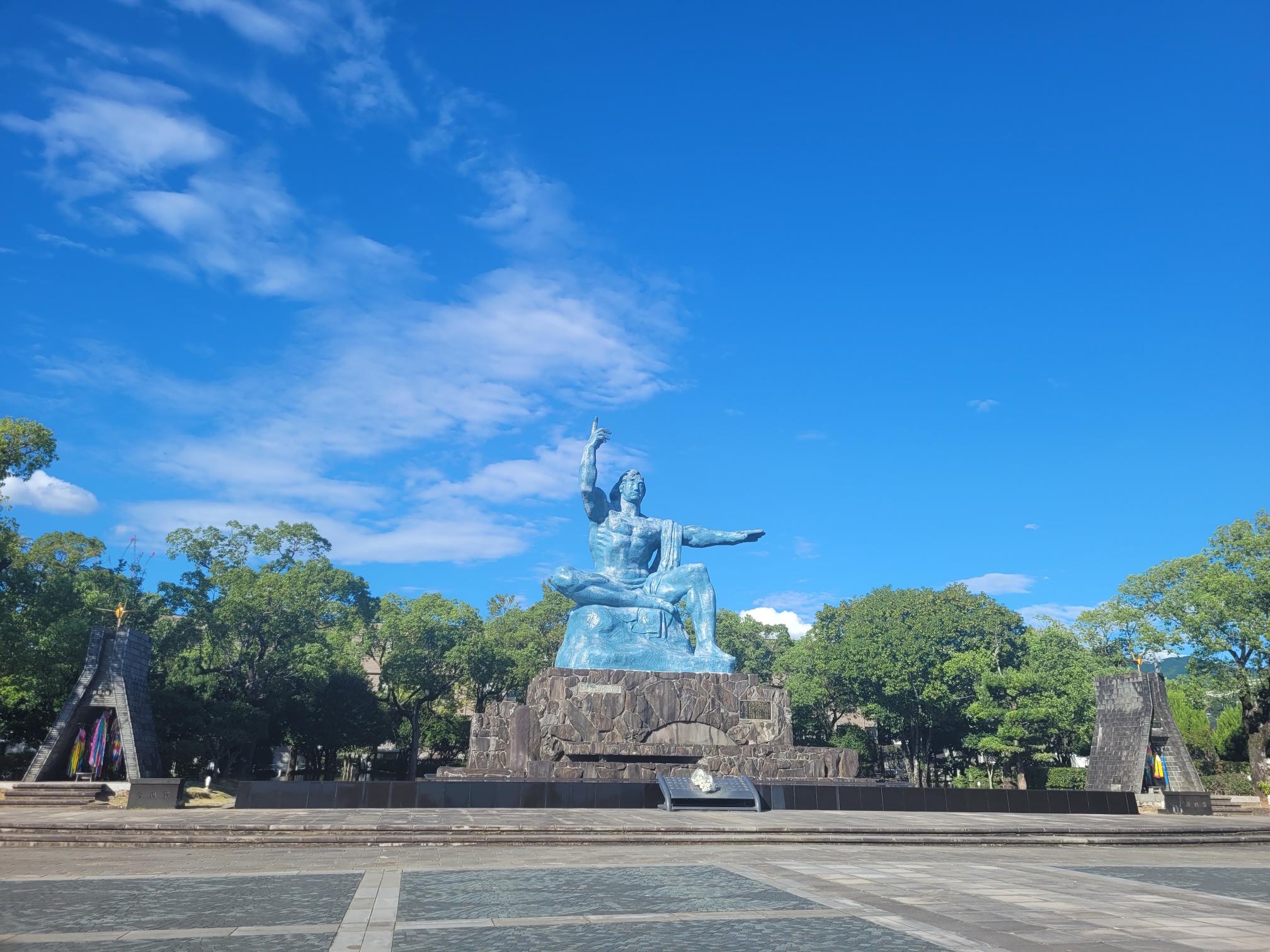
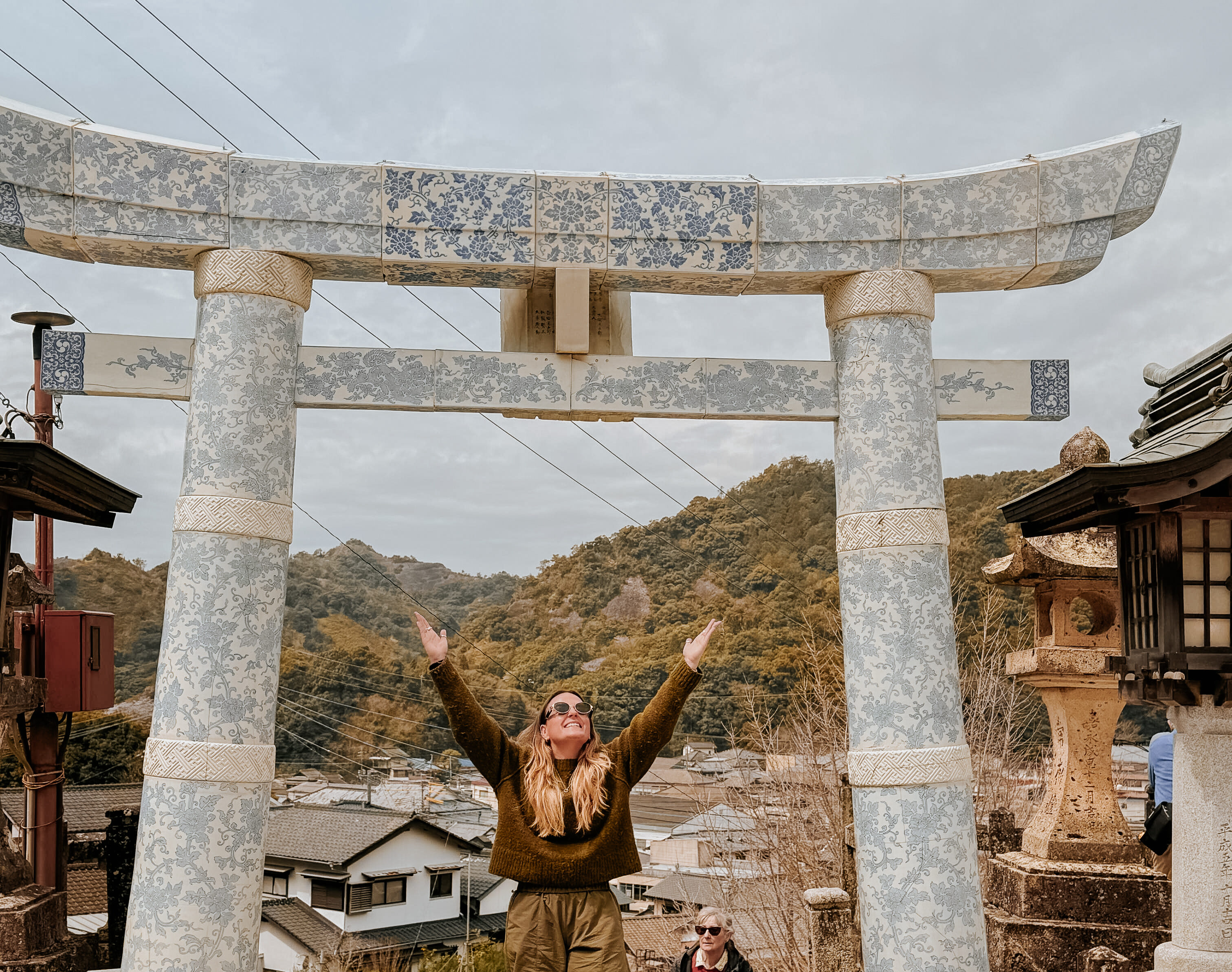
Travel by private air-conditioned minivan for around four hours to Nagasaki. After three hours, stop in Arita, the birthplace of Japanese porcelain, to explore its alleys and ceramic stores and have lunch. Continue to Nagasaki and visit the Atomic Bomb Museum and Peace Park before checking in.
Meals: Breakfast
Day 11
Explore historic Nagasaki
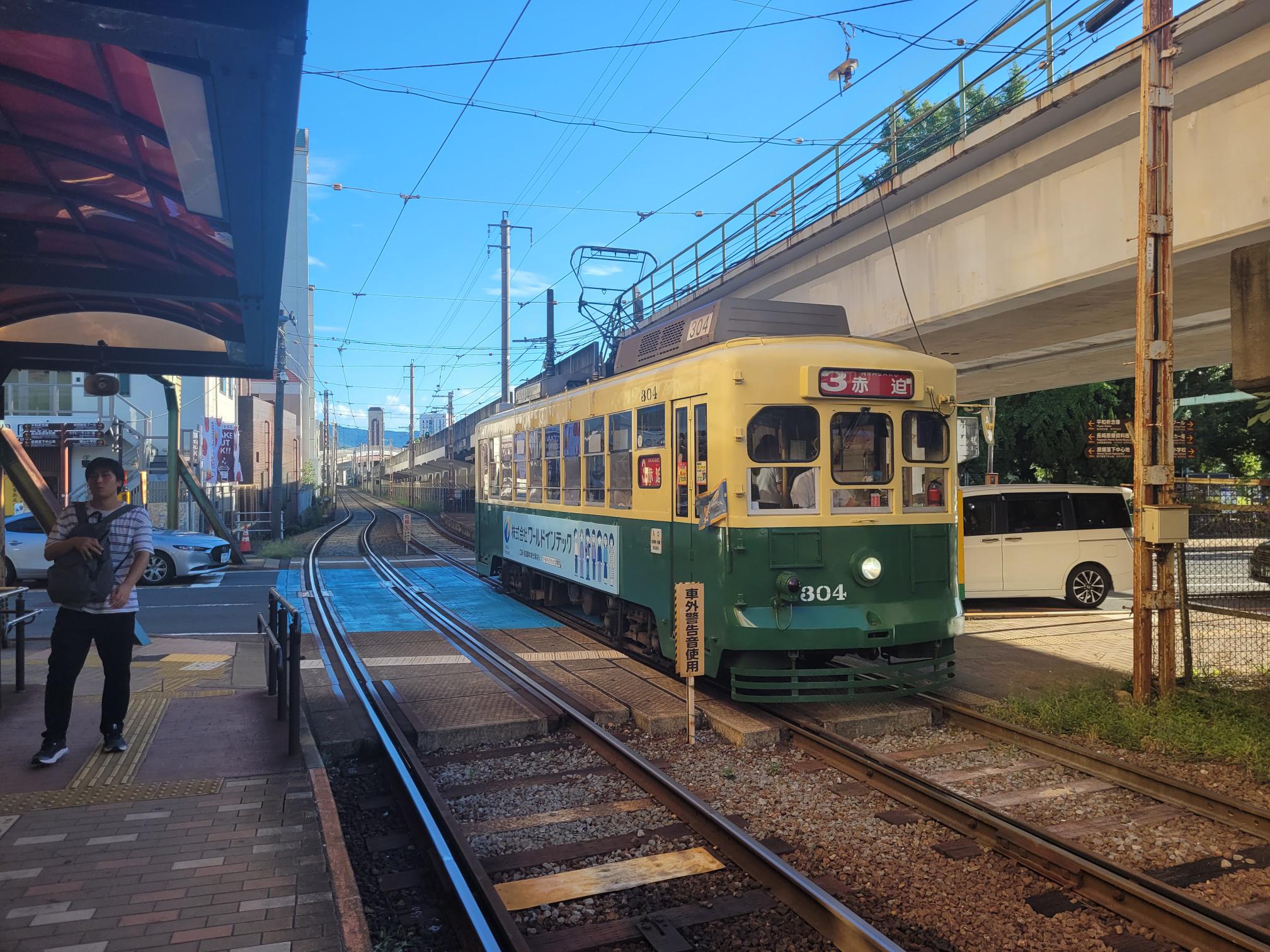
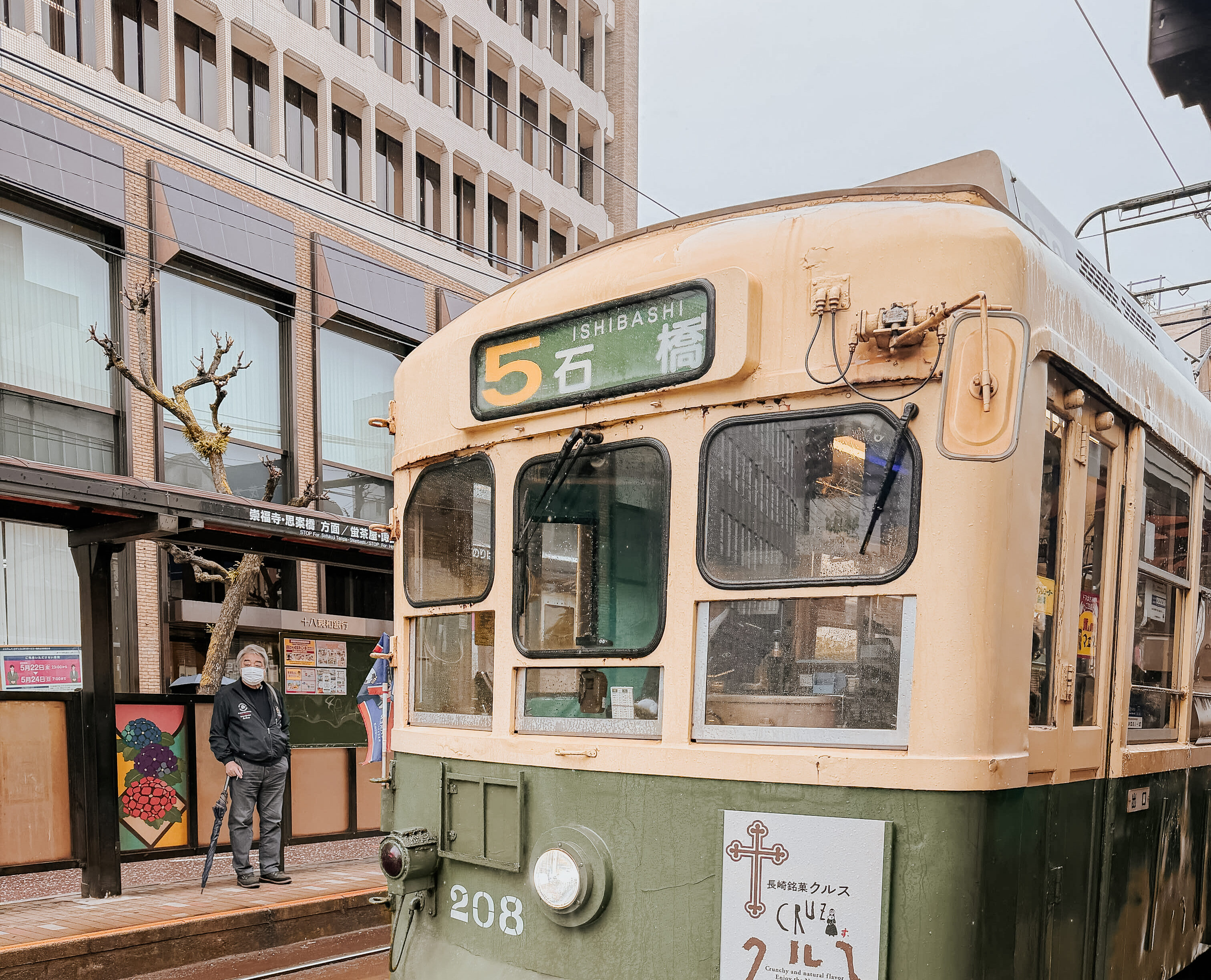
Take a city tour on foot and by tram with the tour leader, visiting Glover Garden and Dejima. Chinatown is an optional place to go for dinner. Main luggage is sent ahead to Fukuoka; pack a small overnight bag for tonight.
Meals: Breakfast
Day 12
To the city of Fukuoka
Travel by highway bus to Fukuoka, around 2 hours 25 minutes away. Drop luggage at the hotel on arrival. The tour leader can advise on how to spend the afternoon; optional cultural visits include Ohori Park and Tochoji Temple.
Meals: Breakfast
Day 13
Adventure ends in Fukuoka
Departure day. The tour leader will be at breakfast to say goodbye and assist with getting to the airport if needed.
Meals: Breakfast
What’s included
What’s not included
Additional information
Food
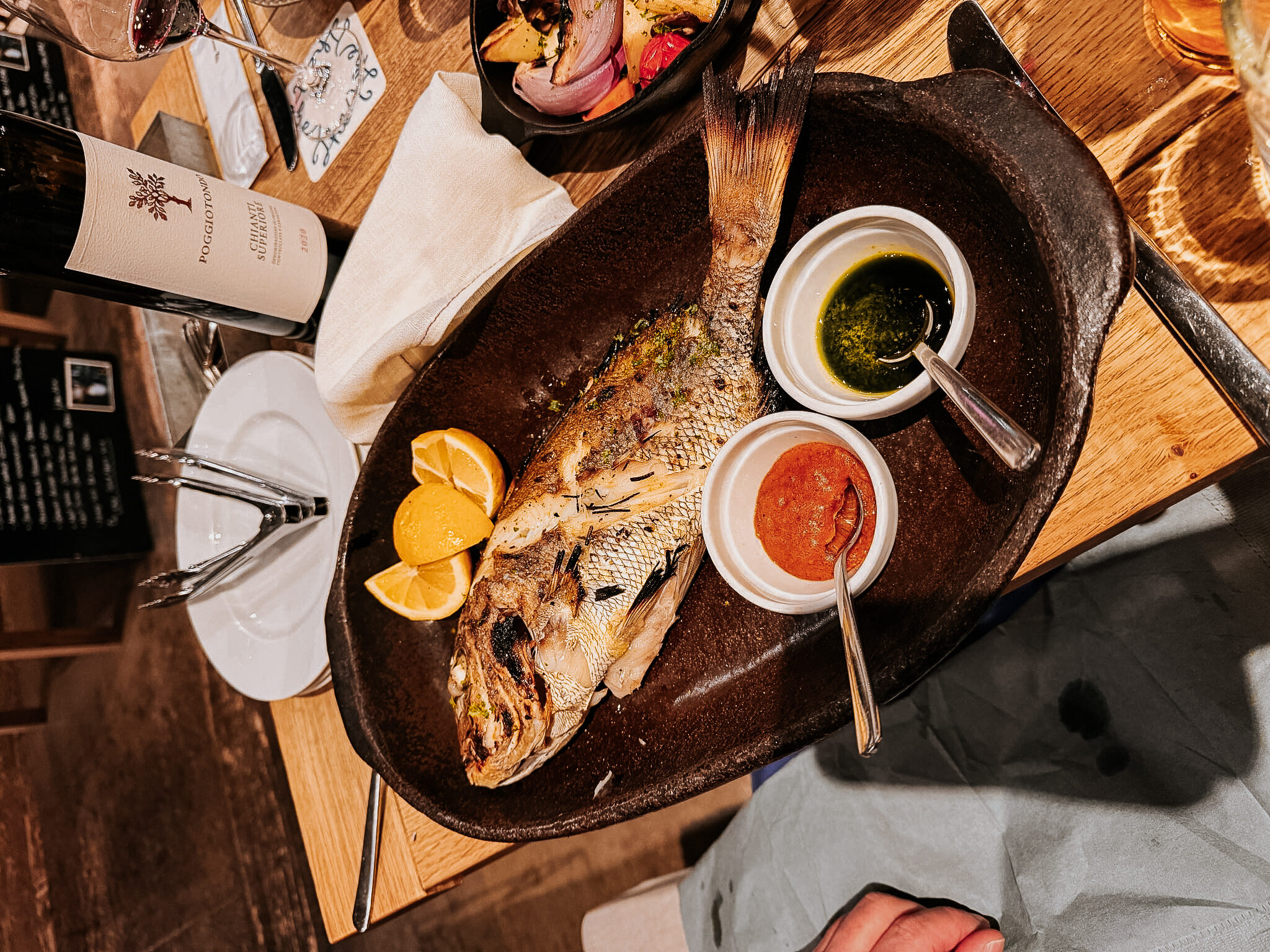
The cuisine is usually a highlight of any Japan trip. It is based on rice with miso soup and other dishes usually prepared with seasonal ingredients. Seafood is common and usually comes grilled or deep fried. Sushi and sashimi aside, other staple dishes include soba or udon noodles, sukiyaki (meat, fish and vegetables cooked in broth) and yakiniku (grilled meat).
When food is not included, your tour leader can always recommend the best local eateries and arrange group meals for a full immersion in the varied and excellent local cuisine.
Worth knowing
Food for certain diets (including gluten-free, vegetarian or vegan) is minimal or non-existent in many areas of Japan. The group meals arranged by the tour leader are in traditional eateries where the choices of vegan dishes may be limited to simple salads or boiled rice. However, there are several vegan restaurants in Osaka and Fukuoka. Please let us know before travel of your dietary requirements.
Most stocks, which are common in Japanese cuisine, contain animal products and even vegetable tempura is mostly fried in the same oil as meat or fish. While some substitutions may be possible, strict vegetarian or vegan meals cannot be guaranteed. Those who can consume dashi stocks typically have fewer issues, but for those concerned, we recommend bringing supplementary food items.
Himeji Castle: Japan’s White Heron
Explore Japan’s most celebrated fortress as you step inside Himeji Castle, the dazzling white keep that soars above its town. Climb timber stairways, feel the cool plastered walls, and pause at windows designed for defense, all while admiring the elegant silhouette that earns it the nickname White Heron Castle.
Learn how this 17th-century stronghold—now a UNESCO World Heritage site—survived wars and earthquakes. Its ingenious maze-like approach and layered baileys reveal the craft of samurai-era architecture, rewarding your visit with history, design, and commanding views from the soaring keep.
Shimanami Kaido Guided Cycle: Onomichi to Ikuchi
Ride the Shimanami Kaido with your leader and a local cycling guide on a scenic 22mi (35km) segment linking islands across the Seto Inland Sea. Pedal purpose-built cycle lanes over sweeping bridges, breathe in salty air, and coast past citrus groves that perfume the route.
Celebrated among the world’s great rides, this island-hopping corridor blends radiant seascapes with small-town charm. Expect gentle gradients, well-marked paths, and memorable stops for photos from coastal bridges where blue water, fishing boats, and distant hills meet under refreshing sea breezes.
Matsuyama Castle, Ishiteji Temple & Dogo Onsen Viewpoint
Ascend Mount Katsuyama to step inside Matsuyama Castle, an original hilltop fortress of dark timbers and polished floors. Explore defensive turrets and enjoy broad panoramas across the city to the Inland Sea before delving into Shikoku’s spiritual side.
Visit Ishiteji Temple, a revered stop on the Shikoku 88 Temple Pilgrimage, then pause nearby to admire the exterior of Dogo Onsen Honkan—a storied bathhouse with 3,000-year roots and ornate wooden facades. This trio reveals feudal, spiritual, and bathing traditions in one compact cultural arc.
Uchiko Old Town Walk, Kamihaga Residence & Washi Gilding
Join a guided walk through Uchiko’s Edo-era lanes to admire merchant houses, latticework facades, and a living candle shop where artisans keep traditional wax crafts alive. The town’s unhurried rhythm and preserved streets showcase a Japan shaped by trade and craftsmanship.
Step into the Kamihaga Residence to learn about wax merchants, then continue to a washi workshop for a hands-on haku-oshi gilding class. Create your own postcard on handmade washi paper, applying delicate metallic foils that catch the light—an elegant memento of Shikoku’s artistry.
Mount Yufu Hike
Hike Mount Yufu on waymarked trails from Yufu Tozanguchi, gaining grassy slopes toward twin peaks that watch over Yufuin. The path blends woodland shade with open ridgelines, rewarding steady effort with sweeping views across valleys and the Yufuin Basin.
Rising to 1,583m, this graceful volcano offers varied gradients and short scrambles chosen to suit the group. In clear weather, the horizon layers into misty mountain passes, and the cool air at elevation sharpens senses as you crest the summit and savor Kyushu’s highland drama.
Beppu Jigoku-mushi ‘Hell Steam’ Cooking Class & Lunch
Master ‘hell steam’ cuisine in Beppu’s onsen district, lowering bamboo baskets into geothermal steam vents to gently cook vegetables, eggs, and seafood. The mineral-rich vapors season ingredients naturally, producing delicate textures and clean, savory flavors.
Guided by local hosts in a convivial workshop, this hands-on cooking class unveils a centuries-old technique born of volcanic terrain. Sit down to sample regional flavors you prepared moments before, appreciating how Beppu’s landscape shapes both daily life and the island’s table.
Aso-Kuju National Park: Mt Kishima-dake & Mt Eboshi-dake
Hike Aso-Kuju National Park on two complementary trails that crest Mt Kishima-dake and Mt Eboshi-dake. Traverse volcanic grasslands and weather-sculpted rock, pausing on airy ridges for expansive views toward the vast Aso caldera.
Part of the famed five peaks of this active volcano, these routes are chosen for scenery and safety, keeping distance from gas zones when needed. Expect steady climbs, cinder underfoot, and moments where wind, sky, and rim meet—an introduction to Kyushu’s restless geologic heart.
Arita Porcelain Town Stroll
Explore Arita, birthplace of Japanese porcelain since the early 1600s. Wander narrow lanes lined with kilns and galleries, browse delicate wares, and admire cobalt-blue glazes and refined forms that made Imari ware coveted worldwide.
Learn how local kaolin and wood-fired climbing kilns fueled a craft that transformed daily utensils into art. Meeting artisans and shopkeepers reveals a living tradition—part workshop, part museum—set amidst narrow alleys that whisper with centuries of ceramic innovation.
Nagasaki Atomic Bomb Museum & Peace Park
Visit the Atomic Bomb Museum & Peace Park for a sober, essential encounter with history. Exhibits, survivor testimonies, and artifacts illuminate the events of 9 August 1945, inviting reflection amid memorials and quiet gardens.
Walk to the epicenter monuments, the dignified Peace Statue, and the Fountain of Peace, designed for those who longed for water after the blast. Space is held to pause for photos and reflection, honoring the city’s resilience and its message of peace to future generations.
Nagasaki City Tram Tour: Glover Garden & Dejima
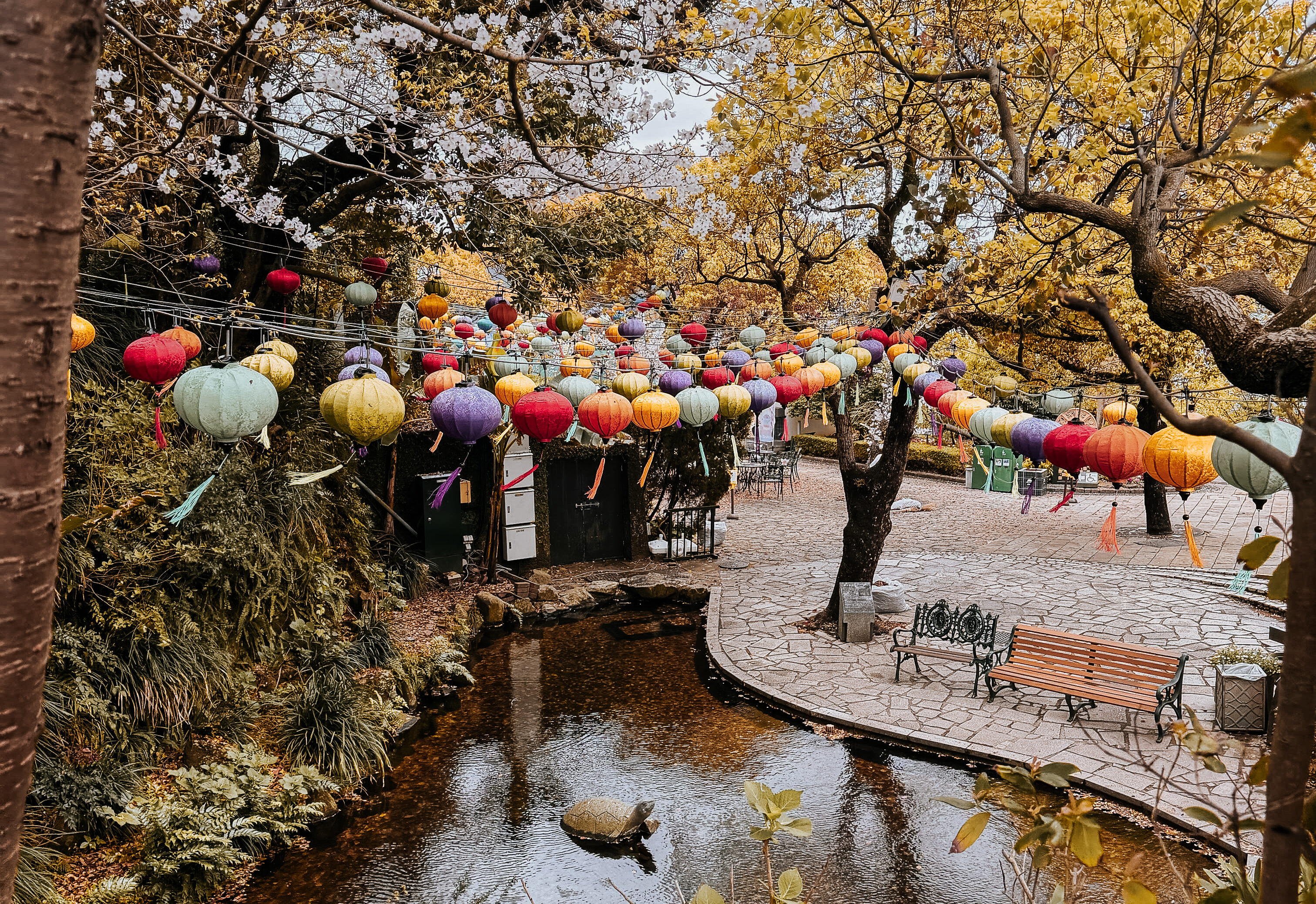
Ride Nagasaki’s retro trams between landmarks as you explore Glover Garden, where Meiji-era mansions overlook the harbor. Stroll terraces, verandas, and gardens that evoke the lives of early foreign merchants in this cosmopolitan port.
Continue to Dejima, the restored island quarter that once hosted Dutch traders during Japan’s Edo-period isolation. Timber warehouses, exhibits, and canals narrate a rare bridge between worlds, revealing how ideas and goods filtered into Japan long before modern borders opened.
Dogo Onsen Bathing Experience (Matsuyama)
Soak in a traditional onsen at the storied Dogo Onsen Honkan, where steaming communal baths and creaking corridors immerse you in bathing culture. Wooden architecture and lantern-lit galleries frame a serene pause amid travels.
Often cited among Japan’s oldest hot springs with a 3,000-year history, the bathhouse observes strict bathing etiquette. This activity is at additional cost and bookable on tour; opening times and sections vary, and guests with large visible tattoos may be refused entry.
Beppu Onsen Bathing
Soak in mineral-rich waters amid Beppu’s signature plumes of steam. Choose a local bathhouse to unwind in indoor pools or open-air tubs as the town’s streets hiss and swirl with geothermal energy.
This quintessential onsen experience deepens your connection to Kyushu’s volcanic landscape and bathing customs. It is at additional cost and bookable on tour; facilities observe bathing etiquette, and some venues may restrict entry for those with large visible tattoos. Towels and amenities vary by bathhouse.
Kumamoto Castle Visit
Visit Kumamoto Castle, famed for towering stone ramparts and a striking black-and-white keep. Walk defensive walls, peer into arrow slits, and appreciate a fortress that has guarded Kyushu’s heart for centuries.
Heavily damaged in 2016 and steadily restored, the site showcases resilience alongside architectural prowess. This optional visit is dependent on routing and conditions, and is bookable on tour; local transport and entrance fees are additional.
Kurokawa Onsen Mountain Village Soak
Soak in outdoor baths at Kurokawa Onsen, a rustic mountain village where riverside pools steam beneath trees and thatched-roof ryokan line narrow lanes. The mood is hushed, the waters silky, the scenery quietly restorative.
Day-visitor passes allow dipping into selected baths amid woodland and streamside settings. This experience requires extra travel time from the Aso area, is at additional cost, and is bookable on tour. Venues observe bathing etiquette; some may restrict guests with large visible tattoos.
Taketa–Asaji Countryside Hike (Aso Region Alternative)
Set out on a countryside hike between Taketa and Asaji, following quiet farm roads, terraced fields, and village shrines that reveal rural Kyushu life at an easy pace. Expect gentle gradients and time to pause for photographs.
Offered when volcanic conditions limit high-altitude routes, this alternative focuses on scenery and local rhythms rather than summits. It is flexible in distance, uses public transport, and is bookable on tour at additional cost for transit only.
Osaka Welcome Dinner
Meet your group and meet your tour leader over a convivial welcome dinner in Japan’s capital of street food. Taste Osaka’s favorites as you sample regional dishes such as okonomiyaki, kushikatsu, and takoyaki in a lively local eatery, where chatter, sizzling grills, and clinking glasses set the tone for the journey ahead.
Absorb the city’s energetic food culture, shaped by merchant life and riverside trade. With the glow of neon-lit Dotonbori canals never far away, this shared meal offers a warm introduction to Kansai flavors and customs, helping the group connect before the adventures continue.