Your itinerary

Day 1
Start Muscat; afternoon dhow cruise and visit Mutrah Souq
Our adventure begins in Muscat, the coastal capital of Oman. Around midday, say hi to your guide and fellow travellers, when we gather as a group to get to know each other and learn about the adventure ahead.
After the briefing, we are picked up from our hotel and travel through the old part of Muscat to visit the Sidab Women’s Association where we can interact with the local women and enjoy a coffee together. Next, we pay a short visit to the Bait Al Zubair Museum before a photo stop outside the gates of the Sultan’s palace. After a short transfer to the marina, we embark on a relaxed dhow cruise (traditional fisherman’s boat) to see the Muscat coast through the eyes of the ancient seafarers who plied this route for centuries. During the cruise, soft drinks, tea, coffee and dates will be served.
In the evening, your leader will ensure a big welcome over dinner. We are transported back through the centuries on a visit to the bustling, colourful Mutrah Souq. Here there will be lots of photo opportunities and the chance to observe the local way of life while wandering around this traditional Arab market.
Note: On some departures, some of the sightseeing detailed above will be done on Day 2 instead. Your leader will advise of your exact schedule locally.
Want more time in Muscat? Secure extra hotel nights through your sales representative.
Meals: Dinner
Day 2
Visit Muscat's Grand Mosque; onto Sur via beautiful Wadi Shab. Evening visit to turtle reserve
After a hotel breakfast, we check out and visit the Grand Mosque, the highlight of the Omani capital. The handmade carpets, chandeliers and the ceiling of the great dome in the main prayer room are must-sees.
Please note: Women should be fully covered and carry a headscarf; men should wear trousers.
We then drive (approximately 1hr 30min) to the Bimah Sinkhole, a spectacular limestone crater with blue-green water at the bottom, and Wadi Tiwi where we enjoy a walk and lunch before transferring (approximately one hour) to our hotel in Sur, where we spend the night.
After an early dinner, we drive (approximately one hour) to Ras Al Jinz Turtle Reserve. Oman is an important area for green turtles in the Indian Ocean and the green back turtles are heavily protected by the government of Oman. In fact, more than 275 of the Sultanate’s beaches double as nesting grounds for five of the seven recognised sea turtle species, the most common being the green back.
Here we are led to the beach by an ecologist to see turtles return to their beach to lay eggs. (Please note, the main nesting season is June to August; at other times of the year, there may or not be turtles every night but a visit to the reserve is still worthwhile).
Meals: Breakfast,Lunch,Dinner
Day 3
Drive to Wadi Bani Khalid, swim in the turquoise pools and enjoy lunch. Continue to Wahiba Sands and explore the spectacular dunes. Overnight in the desert.
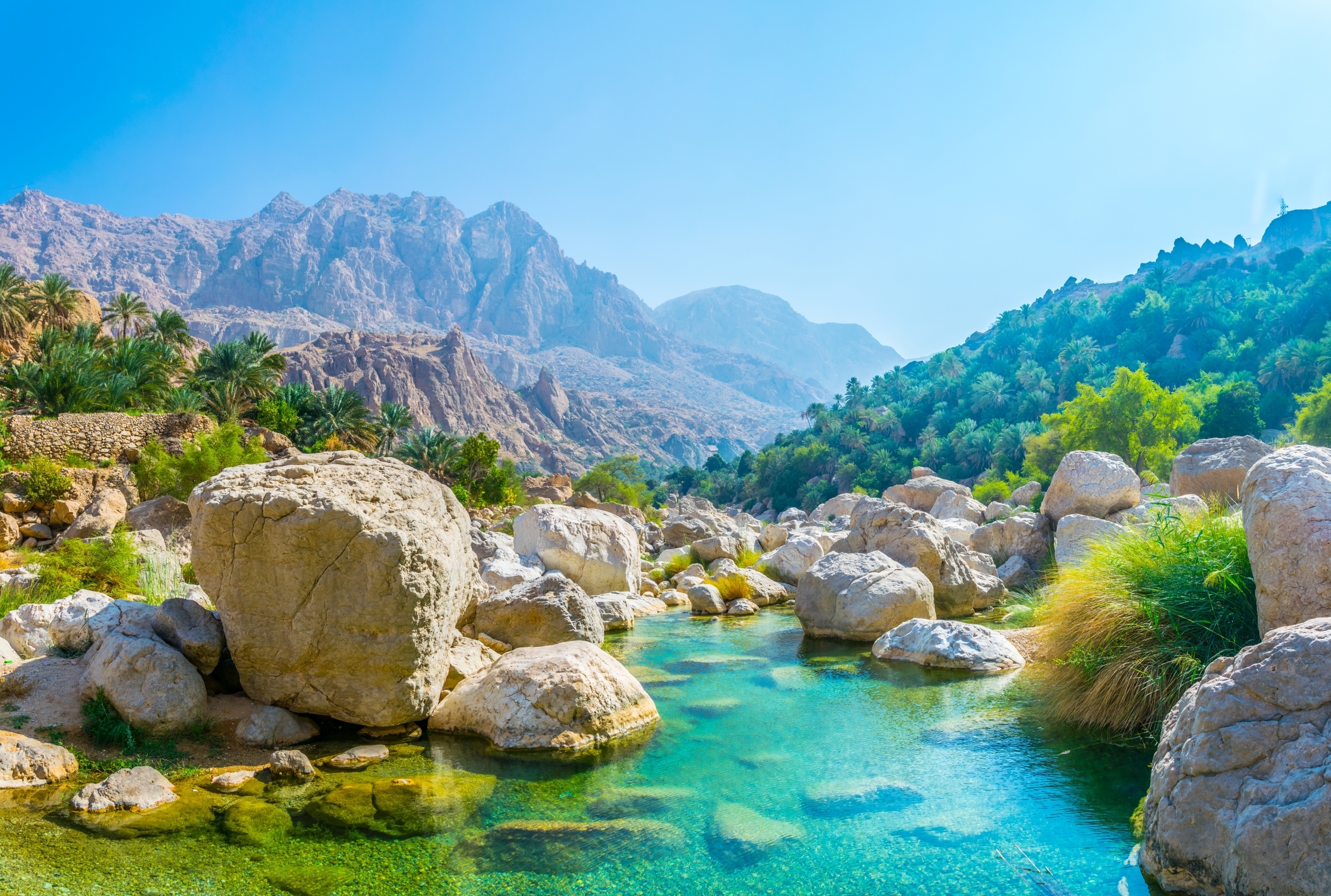
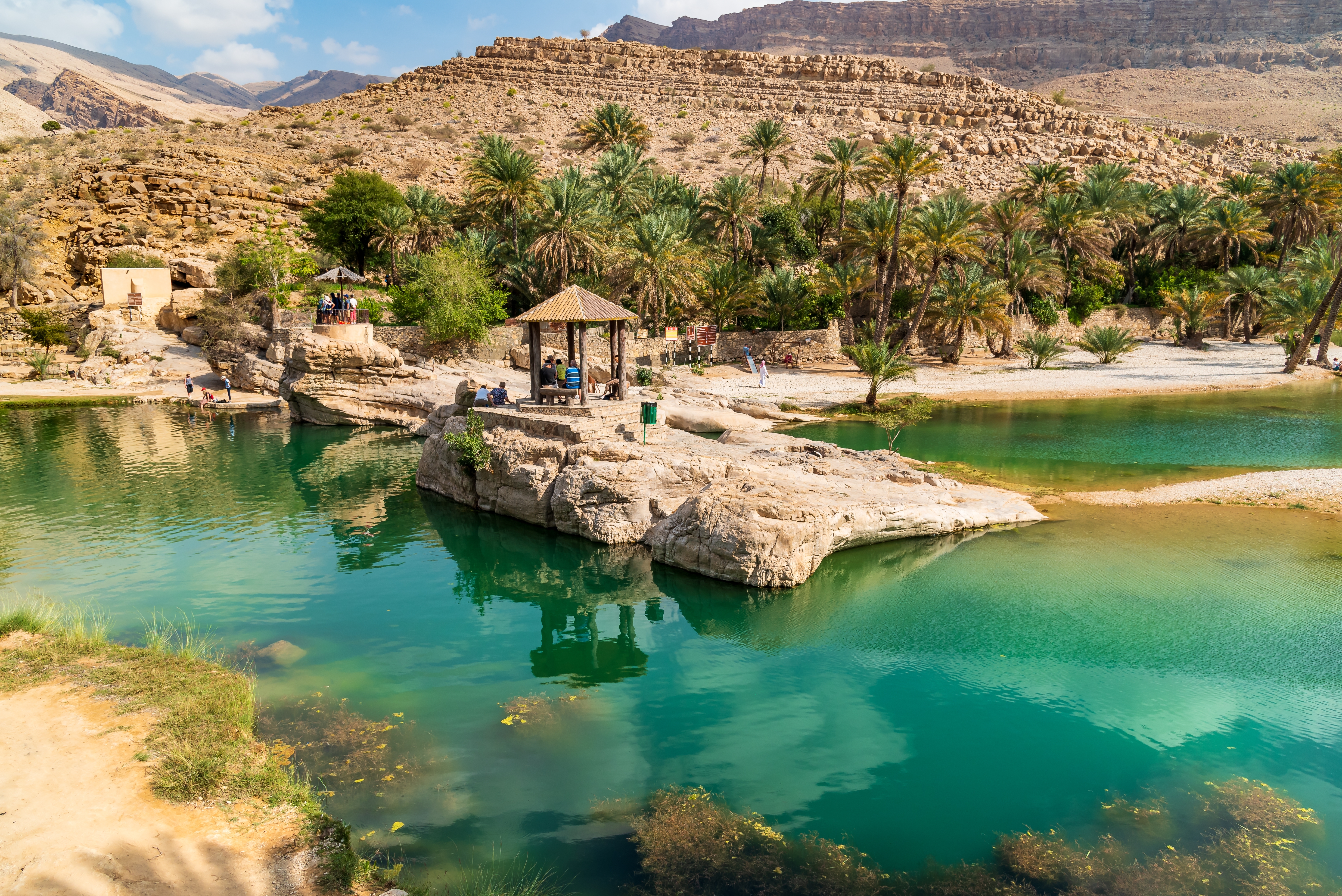
This morning after breakfast, we transfer (approximately 1hr 45min) to the desert oasis of Wadi Bani Khalid to relax and enjoy a swim in the beautiful turquoise pools. We also have a lunch before continuing (approximately 60 to 90 minutes) to the Wahiba Desert.
Please note, occasionally wild swimming in the wadi may not be possible due to safety reasons if, for example, water levels are high following rainfall or if it is raining at the time of your visit as the rocks can be slippery – your leader will inform you if swimming is not advisable.
Here, on the edge of the desert, we change vehicles from the minibus to 4WDs to begin our desert experience.
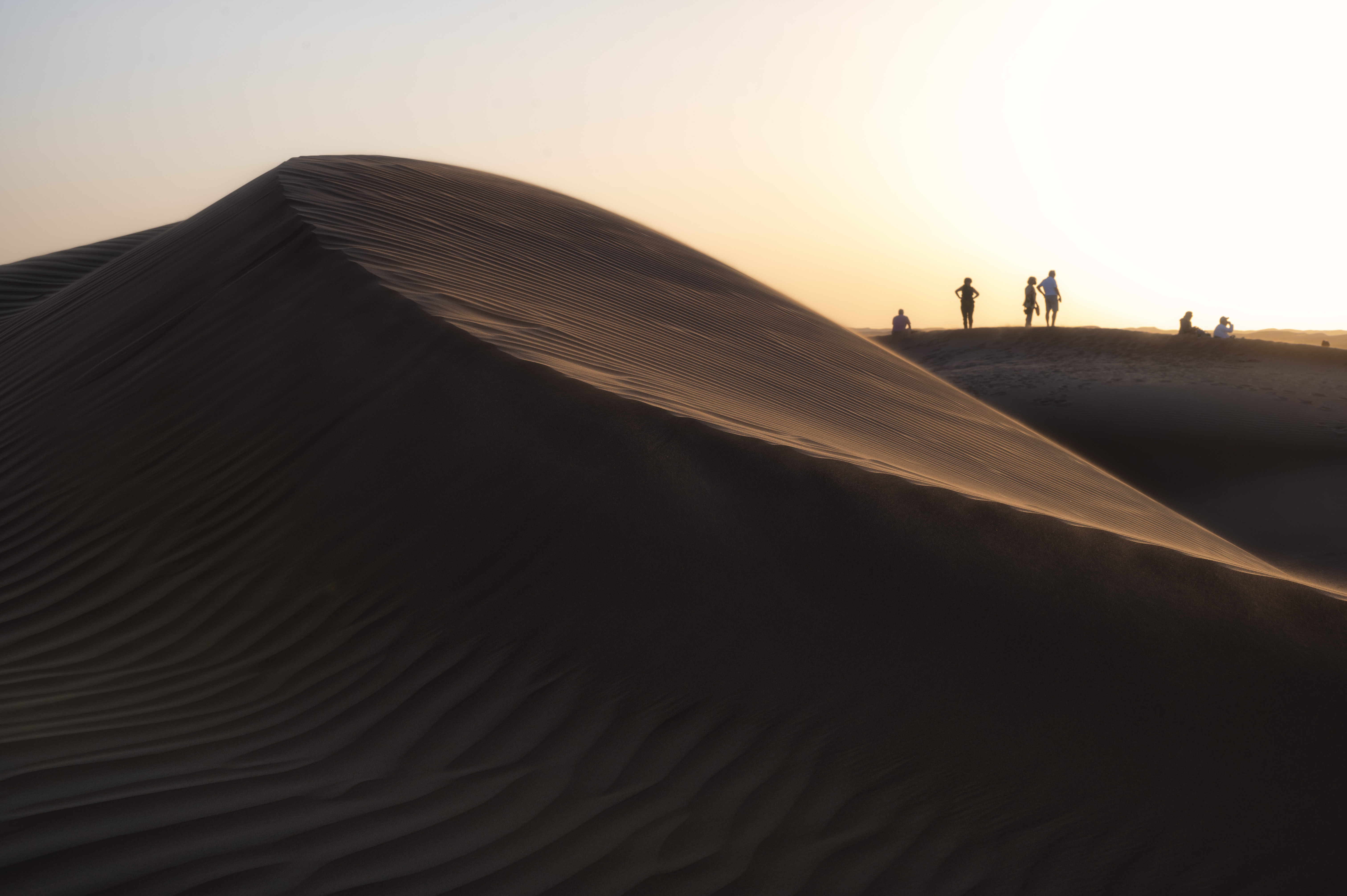
The Wahiba Sands, a vast mass of undulating red and white sands and dunes rising up to 655ft (200m) are also host to a variety of flora and fauna. The ever-changing patterns of the dunes are a photographer’s delight. We drive towards the dunes and our desert accommodation (approximately one hour) to check-in for the evening.
During our time at the camp, there is sometimes the opportunity to take a camel ride (optional – extra cost).
Meals: Breakfast,Lunch,Dinner
Day 4
Morning visit to a Bedouin family and enjoy Omani coffee; visit Birkat al Mouz and walk through its oasis and date plantations; onto Nizwa
We have breakfast at our desert accommodation before checking out and driving towards the ancient city of Nizwa, the former capital of Oman. En route, we visit a Bedouin family and enjoy kahwa (Omani coffee) and spend time with them learning about their customs and traditional way of life.
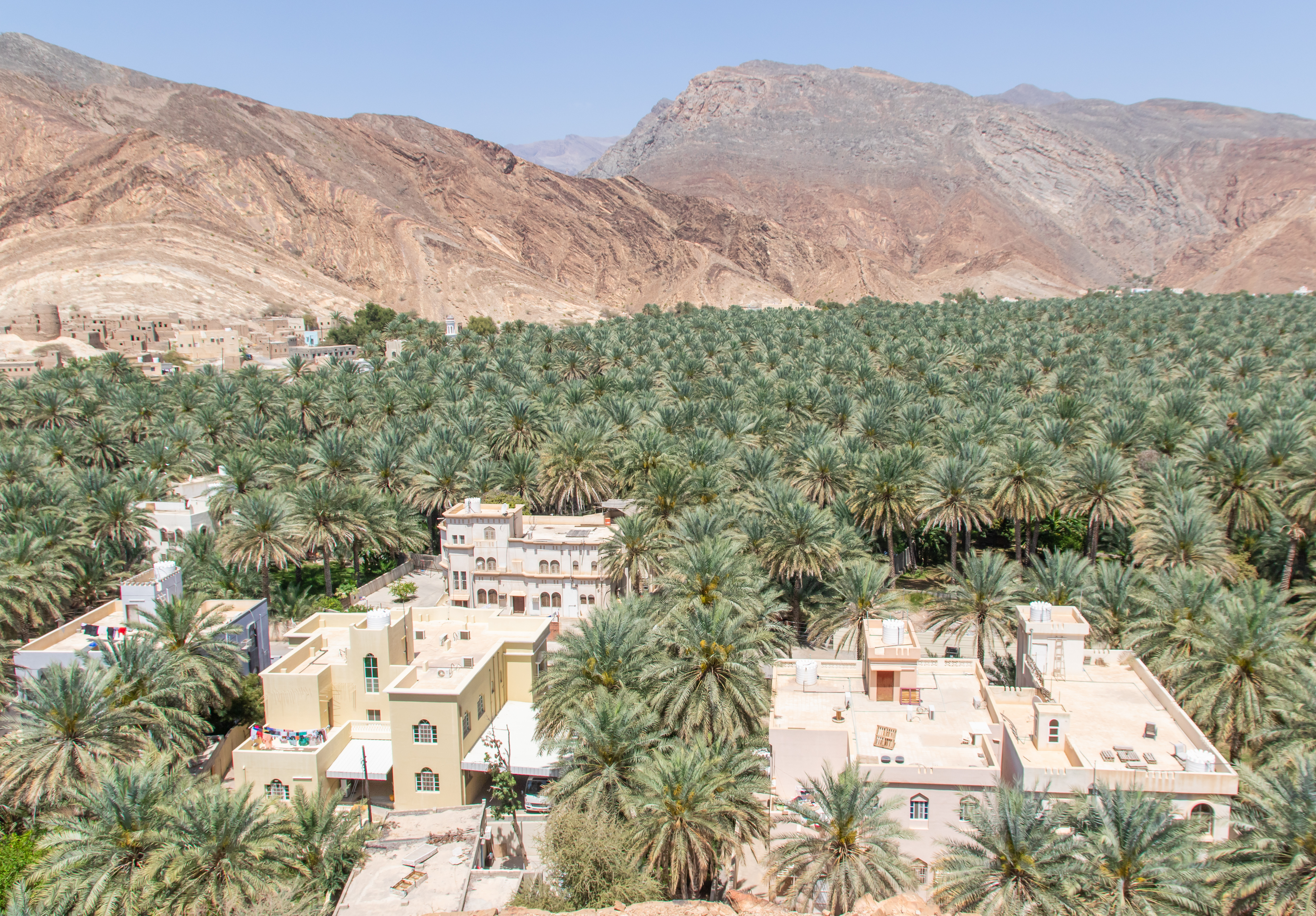
We continue our drive via Birkat al Mouz, one of the best-known village ruins in the region. We walk through its oasis and date plantations before continuing to Nizwa. With the two sets of ruins, a large banana plantation and the scenic surroundings, the site is also home to the old Falaj irrigation system listed as a Unesco World Heritage site.
Upon arrival in Nizwa, we check into our hotel where we spend the next two nights.
Meals: Breakfast,Dinner
Day 5
Transfer to Jabrin, one of the finest castles in Oman; stop at historic Bahla Fort; enjoy a walk and lunch in Wadi Nakhr. Visit Jebel Shams for amazing views
After breakfast at the hotel, we take a short drive (approximately 30 minutes) to visit Jabrin, the finest of Oman’s castles built in the late 17th century, which became a seat of Omani learning. The castle displays the highest achievement in Omani ceiling painting and beautifully executed woodcarvings.
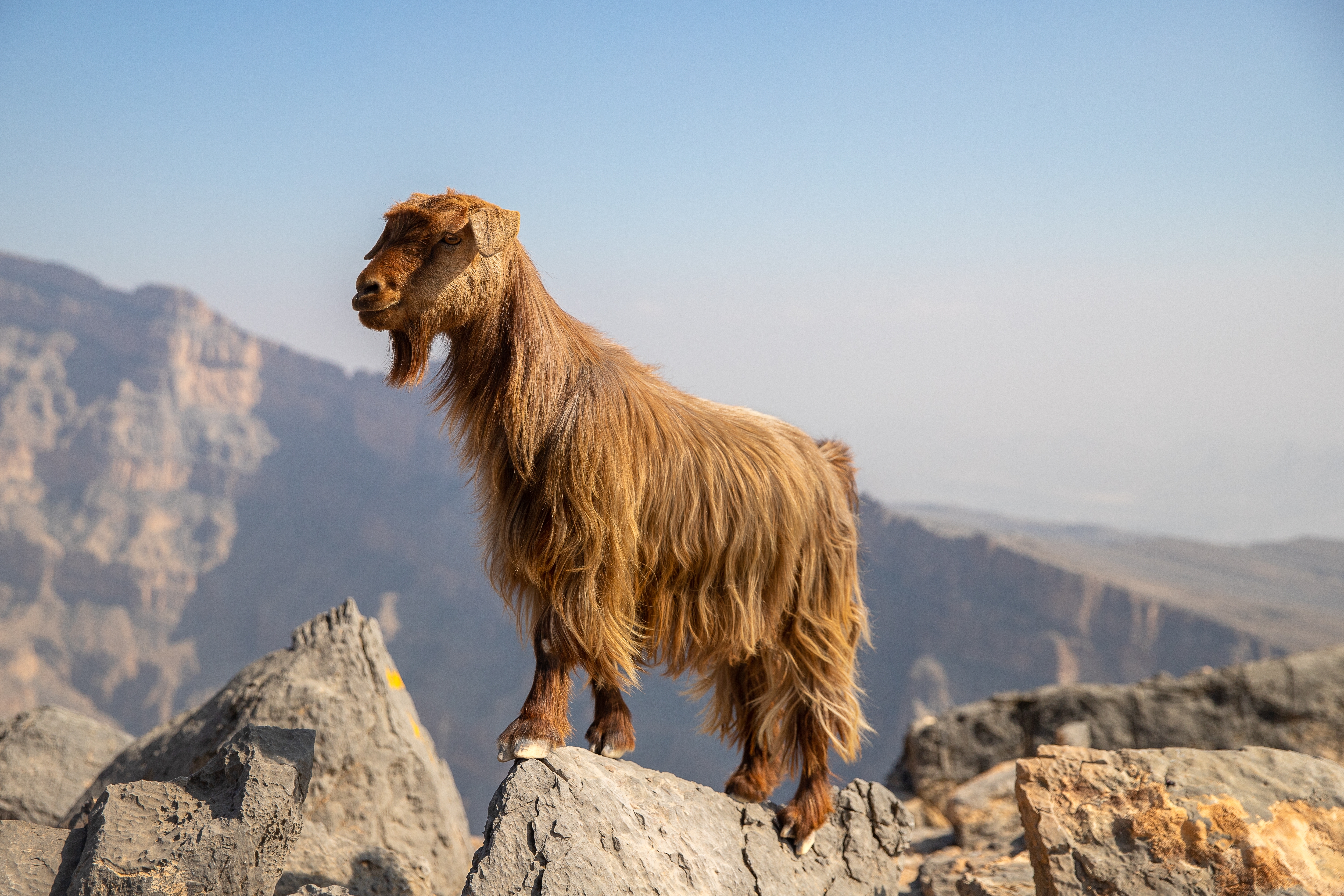
We also pause at Bahla Fort for a photo, the only Unesco-listed fort in the country and lovingly restored over many years before transferring (approximately 1hr 30min) to Wadi Nakhr for a short walk. We have lunch in a restaurant before proceeding to Jebel Shams, the highest mountain in Oman, and where we can enjoy spectacular views of the ‘Grand Canyon of Arabia’.
Later in the afternoon, we transfer (approximately 45 minutes) to the village of Misfat Al Arbayeen, passing the ruins of an old fort on the way. We continue through narrow alleys between old stone houses and take a short walk in Al Hamra village before returning (approximately 30 minutes) to Nizwa for the evening.
Meals: Breakfast,Lunch,Dinner
Day 6
See the Nizwa cattle auction, fort and souq; continue to Nakhal Fort and hot spring; back to Muscat for final evening
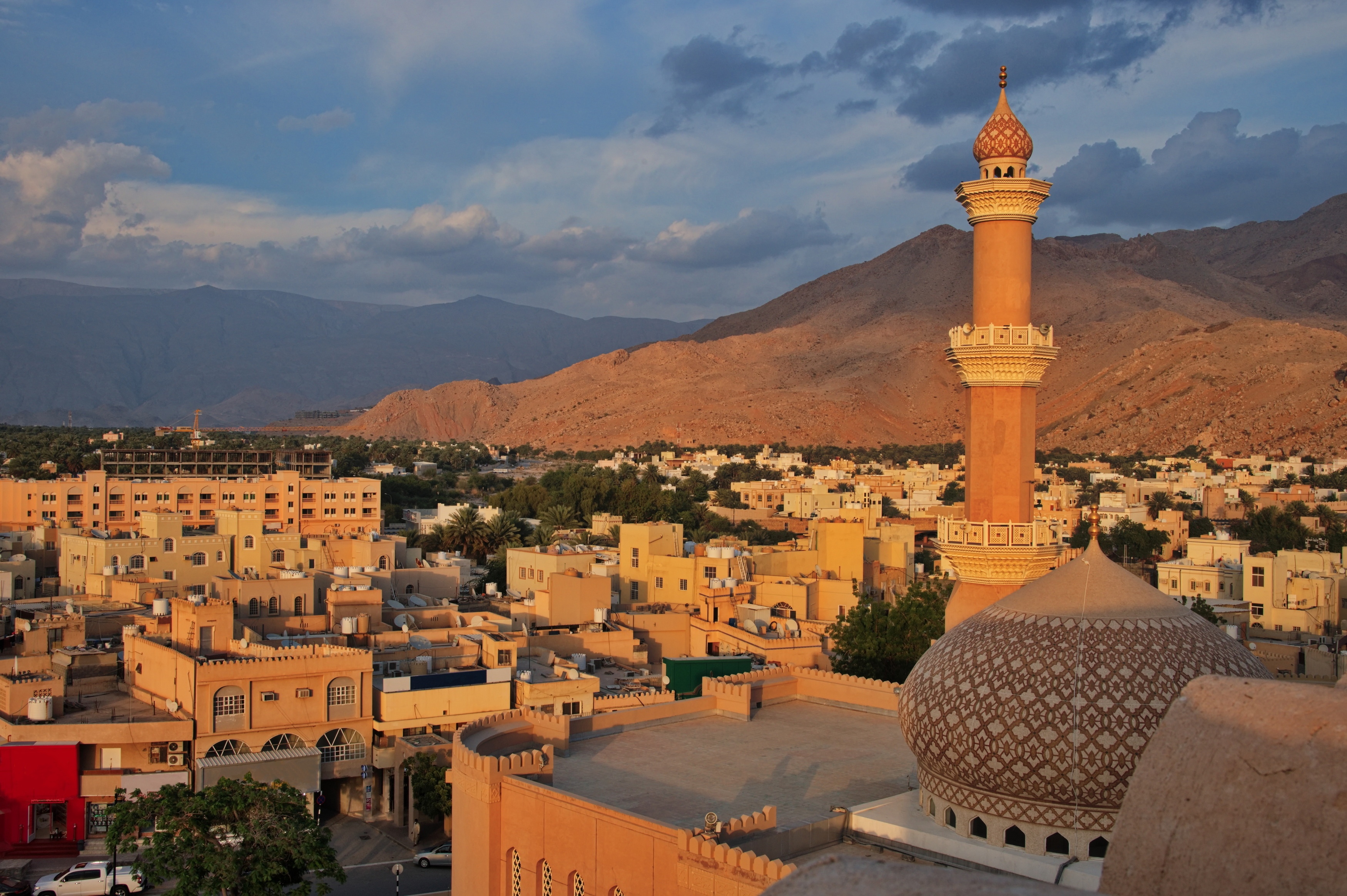
Today is a long day and we start our morning with a visit to the live cattle auction market in Nizwa, the one day of the week where this ancient city truly comes alive with farmers and traders arriving from near and far to barter and trade in one of the most renowned markets in the Middle East.
We visit the impressive Nizwa Fort, built in the 17th century to defend the natural wealth and strategic location of the city. Later we visit the renowned souq, famous for intricately handcarved khanjars (traditional curved daggers), silver jewellery and livestock trading.
Departing Nizwa, we continue to Wadi Bani Auf; this stretch of graded road is very adventurous as it involves steep bends and bumpy roads. In wet conditions, it may not be possible to drive this section of road due to safety. If this occurs, we take an alternative route.
We then stop at the charming mountain village of Bilad Sayt, where one is struck by the beauty of the landscape. Lunch today will be a packed lunch.
This afternoon, we have a photo stop at Nakhal Fort and hot spring. The exact date on which this ancient fort was built is unknown, but many believe it was constructed in pre-Islamic times, more than 1,500 years ago.
We then transfer back to Muscat for our final evening in the capital city of Oman.
Meals: Breakfast,Lunch,Dinner
Day 7
Adventure ends in Muscat
The tour ends this morning and it’s time to begin our return journey home. If you’d like a bit more time to explore Oman, speak to your sales representative about extending your stay.
Meals: Breakfast
What’s included
What’s not included
Additional information
Food
All breakfasts, four lunches and six dinners are included.
Omani cuisine is influenced by Arab, Persian, Indian, Asian, Eastern Mediterranean and African cuisine. Rice is a staple and often includes a variety of flavours and ingredients, while fish and meat, such as chicken and lamb, feature prominently. Dishes are full of rich mixtures of spices, herbs and marinades. Dates are much loved and are an essential part of the Omani diet.
Curry, soups, fresh salads and vegetable dishes are all very common. Coffee is the national beverage but tea is also drunk. Yoghurt drinks and soft drinks are also popular. Alcohol is not readily available but can be purchased in some hotels and likely to be quite expensive.
During the tour, you have the opportunity to taste and experience a variety of dishes and eat in local restaurants and cafes. The night spent at the desert camp includes a barbecue with traditional dishes.
Non-Muslims are permitted to bring in two litres of alcohol by air only. Alcohol may be purchased at Muscat airport after having cleared immigration. Care must be taken not to cause offence through the use of alcohol and should not be consumed in public places apart from licensed premises, such as hotels and restaurants. It is generally not a problem to bring your own alcohol into hotels but please always ask the hotel first out of courtesy.
Please advise at time of booking if you have any dietary requirements.
Wahiba Sands 4x4 Dune Drive & Desert Sunset
Ride 4x4s into the Wahiba Sands, a sea of red and white dunes sculpted by desert winds. Skilled drivers crest ridgelines and descend slipfaces for a controlled adrenaline rush amid 200m-high dunes.
Pause to watch a desert sunset ignite rippled sands before settling into a remote camp. Far from city lights, silence and a star-filled sky reveal why Bedouin navigate by constellations across this timeless expanse.
Nizwa Cattle Market, Fort & Souq
Witness the live cattle auction as farmers parade goats and cows around a circular arena while bids ring out. The energy is infectious as buyers assess lineage and weight before sealing deals.
At Nizwa Fort, climb the circular tower for palm-dotted views, then browse the souq for silverwork and khanjars crafted by Omani smiths. This weekly ritual—often on Friday—lays bare the city’s enduring trading spirit.
Bedouin Family Visit with Kahwa
Visit a Bedouin family to share kahwa (Omani coffee) and dates, a hallmark of desert hospitality. Conversations touch on camel keeping, storytelling and how seasonal movements shape life in the sands.
Admire motifs in hand-woven textiles and learn how traditional skills persist alongside solar panels and smartphones. This respectful exchange opens a window onto customs often glimpsed only from a passing vehicle.
Sultan Qaboos Grand Mosque Visit
Enter Muscat’s spiritual landmark to step inside the Sultan Qaboos Grand Mosque and its vast prayer hall. Admire the soaring dome, elegant arcades and a single hand-knotted carpet spreading beneath a glittering chandelier.
Guides explain how this modern masterpiece blends Omani, Persian and Mughal motifs. Respectful attire is required; women cover arms, legs and hair, men wear trousers. Quiet courtyards and polished marble evoke an echoing cathedral-like nave beneath the dome.
Wadi Bani Khalid Oasis Swim
Swim in the turquoise pools of Wadi Bani Khalid, a palm-fringed valley hemmed by smooth, honey-colored rock. Clear channels thread between natural basins, inviting a refreshing dip alive with dragonflies and birdsong.
Follow stone paths to smaller pools and listen to water trickle through a date-palm oasis sustained by falaj. Conditions can affect swimming access; your leader advises on safety and local etiquette to keep this serene stop respectful.
Misfat Al Abriyeen & Al Hamra Heritage Walk
Wander Misfat Al Abriyeen, a stone village clinging to a mountainside, where lanes brush past falaj channels and terraced date gardens. Houses of rough-hewn stone blend into the rock.
In nearby Al Hamra’s mudbrick houses, centuries-old architecture shows cooling techniques and family layouts. This gentle walk shows how communities adapted to altitude, water and heat using local materials and ingenuity.
Mutrah Souq Evening Walk & Welcome Dinner
Wander the lantern-lit lanes of Mutrah as you stroll the lanes of Mutrah Souq, a maze of spice stalls, textiles and silver. Breathe the aroma of fragrant frankincense and oud while merchants polish silver khanjars and weigh saffron by the gram.
Your leader hosts a convivial welcome dinner nearby, helping decode Omani flavors and bargaining etiquette. Between sips of kahwa, hear how this harbor once linked Oman to India and Zanzibar, shaping the cosmopolitan wares piled along the alleys.
Sidab Women’s Association Visit & Omani Coffee
Visit the coastal village of Sidab to meet local women at the Sidab Women’s Association, a community cooperative known for hand-stitched bags and social initiatives. Share stories over Omani kahwa and dates, learning how micro-enterprise supports families.
Browse traditional embroidery and learn how craft keeps identity alive in a fast-modernizing capital. Purchases here directly support training and education, making this cultural stop both personal and purposeful.
Muscat Heritage: Bait Al Zubair Museum & Al Alam Palace
Explore Muscat’s heritage as you step inside Bait Al Zubair Museum, a private trove of Omani arms, jewelry and traditional dress housed in restored residences. Dioramas and a miniature village map daily life from mountains to desert.
Nearby, pause for photos at the gates of Al Alam Palace, the Sultan’s ceremonial residence, framed by the Portuguese bastions of Al Jalali and Al Mirani. Royal colonnades set against sea-battered cliffs capture Old Muscat’s stately aura.
Bimah Sinkhole & Wadi Tiwi Palm-Fringed Walk
Visit Hawiyat Najm Park to see the Bimah Sinkhole, a dramatic limestone collapse filled with blue-green water and ringed by sea-blown palms. Chalky rock and turquoise hue create a striking natural amphitheater.
Pair this with a gentle walk in Wadi Tiwi, where terraced gardens and tamarind shade flank emerald pools fed by ancient falaj irrigation channels. Cliff-hugging villages and canyon walls reveal how water shapes life along Oman’s coast.
Ras Al Jinz Turtle Reserve Night Walk
Join an ecologist-led walk at Ras Al Jinz, Oman’s premier turtle reserve, to search for nesting green turtles on protected beaches. Move quietly under minimal light, following strict guidelines to reduce disturbance.
Rangers share insights into migration across the Indian Ocean nesting beaches and the challenges hatchlings face. Peak laying is in summer; sightings vary at other times, yet the hushed shoreline and conservation focus make this encounter deeply resonant.
Birkat al Mouz Oasis Walk & Falaj Irrigation Heritage
Walk through Birkat al Mouz oasis, where date palms shade crumbling quarters and mountain views frame the village. Paths weave between gardens watered by the UNESCO-inscribed Falaj Al Khatmeen channel.
Follow water as it splits into rills feeding terraces, a system refined over centuries to share scarce resources. Quiet lanes and mudbrick ruins reveal how irrigation underpins settlement across Oman’s interior.
Jabrin Castle & Bahla Fort Heritage Visit
Explore Jabrin Castle, a 17th-century seat of learning famed for painted ceilings and carved doors, secret stairways and breezy courtyards. Rooms illuminate scholarship and strategy under the Ya’aruba dynasty.
Pair this with a photo stop at the UNESCO-listed Bahla Fort, whose vast adobe walls command a palm oasis. Together, these monuments chart Oman’s fortress tradition in both form and function.
Wadi Nakhr Gorge Walk
Walk the Wadi Nakhr gorge, a stony path threading the base of Oman’s deepest canyon near Al Nakhar village. Towering limestone walls rise on either side, throwing cool shade across the boulder-strewn floor.
Short, scenic sections reveal rock strata and hardy shrubs clinging to ledges, with glimpses toward the ‘Grand Canyon of Arabia’ above. It’s a compact window into the geology that defines the high Hajar.
Jebel Shams Viewpoint over the ‘Grand Canyon of Arabia’
Gaze across the ‘Grand Canyon of Arabia’ from Jebel Shams, Oman’s highest mountain. From cliff-edge viewpoints, Wadi Ghul plunges in terraces carved by time into buttresses and ledges.
Crisp air carries the scent of juniper as the jagged Hajar Mountains ripple to the horizon. Photographers prize the shifting light that sculpts ridges and ravines in high-altitude clarity.
Wadi Bani Awf Mountain Road & Bilad Sayt Photo Stop
Journey the Wadi Bani Awf mountain road, a dramatic graded track of switchbacks threading bare limestone. The drive reveals cliffs, wadis and orchards tucked into improbable pockets.
Pause for a photo stop at Bilad Sayt, a village of stone houses and date terraces beneath a natural amphitheatre. In wet conditions, alternate routes may be used to keep the adventure safe without losing the scenery.
Nakhal Fort & Ain Al Thawarah Hot Spring
Visit Nakhal Fort, dramatically poised on a rocky spur with pre-Islamic origins and sweeping views over gardens and groves. Thick walls and crenellations evoke centuries of regional power.
Nearby, Ain Al Thawarah hot spring bubbles through a palm-shaded ravine, a soothing counterpoint to the fort’s battlements. It’s an ideal moment to pause for photos and reflection before returning toward the coast.
Camel Ride on the Wahiba Sands
Ride a camel across the dunes, swaying to the rhythm of the ‘ship of the desert’ as golden sands unspool ahead. Bedouin handlers lead small groups at an easy pace ideal for photographs.
This optional experience is at additional cost and bookable with your leader on tour. Choose sunrise or late-day light to savor desert silence and long shadows that sculpt the sands into soft relief.
Muscat Dhow Cruise along the Gulf of Oman
Cruise the Muscat coast aboard a traditional wooden dhow, tracing coves and sea cliffs where the saw-toothed Al Hajar range meets the Gulf of Oman. Recline on cushioned decks as crew serve soft drinks, tea and dates, and watch fishing skiffs slip past rocky headlands.
Sail by the whitewashed Old Muscat waterfront, with the Portuguese-era forts of Al Jalali and Al Mirani guarding the bay near the royal quarter. This relaxed voyage channels Oman’s seafaring heritage and often delivers a glowing sunset over the water.